

The Invisible Ledger: Why India’s Water Future Depends on Stewardship, Not Just Supply
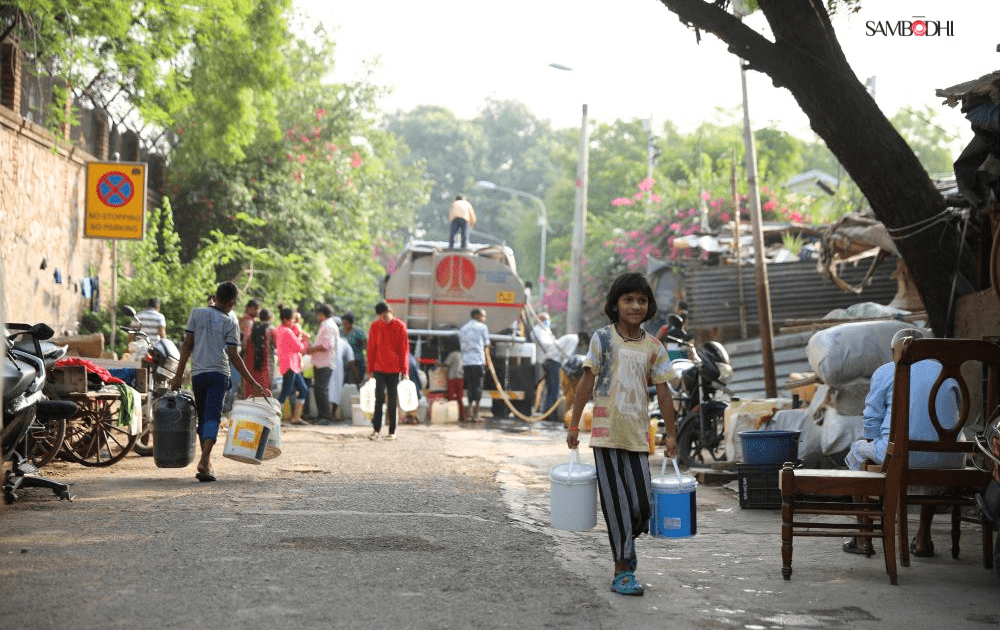
The Last mile of public service is frequently described as a physical trek. For those living through India’s water crisis, it is better defined by a persistent, quiet anxiety. It is the hollow silence of a dry tap in a Delhi resettlement colony. It is the sharp clanging of empty plastic pots against a tanker’s side and the exhausted walk of a rural woman tracing the receding edge of a dying pond. As World Water Day comes around again, the conversation has to move past the simple convenience of a turning faucet. We need to peer into the invisible plumbing of the nation: the groundwater keeping us afloat, the rigid administrative structures deciding who gets a drop, and the systems that determine who gets a bill. To bridge the gap between policy intent and a citizen’s thirst, we must admit that water isn’t just a commodity. It is the fundamental ledger upon which India’s growth is written.
India currently stands as the world’s largest consumer of groundwater, pulling up roughly 247 cubic kilometers every year. For context, that is more than the United States and China combined. For decades, this unseen engine was the hero of the Green Revolution. It turned parched earth into grain baskets and provided a safety net for millions. But that success came with a heavy, hidden price. Because we have historically treated groundwater as a private asset tied to land ownership rather than a shared trust, we have spiraled into a competitive deepening race.
In states like Punjab, Haryana, and Rajasthan, farmers are trapped in a high-stakes sprint to the bottom of the aquifer. They spend more every year on deeper wells, heavier pumps, and more electricity just to stay in the same place. This behavior has turned us into resource raiders. We are effectively mining a prehistoric resource for short-term survival without a plan for its replenishment. When that water table drops, it isn’t just a number on a chart. It is a direct blow to the dignity of small-scale farmers who simply cannot afford to chase the water any deeper.
In our exploding cities, the crisis wears a different mask, one characterized by structural leakage and a false sense of security. While digital systems might track how many million liters are pumped into a city, they rarely account for where that water actually goes. In metros like Delhi and Mumbai, estimates suggest that 30 to 40 percent of treated water is lost to non-revenue causes. This is a polite way of describing leaking pipes, decaying infrastructure, and unregulated theft.
This isn’t a mere technical glitch. It is a governance failure that hits the poor the hardest. When the municipal grid fails, a shadow market of private tankers takes over. For a laborer in an informal settlement, the cost of water from a vendor can be ten times what a wealthy household pays for a piped supply. This creates a jagged divide where a basic human necessity is dictated by the luck of geography.
The solution won’t be found in a single, high-budget mega-project. Instead, it lies in a circular water economy that mimics the resilience of nature. We are already seeing sparks of this across the country. Tamil Nadu’s push for mandatory rainwater harvesting has actually shifted the needle for local aquifers. Indore’s status as a Water Plus city proves that sewage does not have to be a pollutant. It can be a recycled asset for industry.
However, the real hurdle is cross-city synchronization. Right now, India’swater innovations exist in silos. A breakthrough in Bengaluru often stays in Bengaluru. A successful model in the East Kolkata Wetlands remains a local miracle rather than a national standard. For a nation of 1.4 billion, these local wins need to become the national blueprint, shared across state lines and baked into every urban master plan.
The next phase of India’s water journey requires us to stop being raiders and start being stewards. This means making tough policy choices: matching crops to the local climate, fixing power subsidies that reward over-pumping, and using smart infrastructure to stop wastage in real time. We have to move pastthe checklist approach of pumping and piping toward a model of protecting and replenishing. Meaningful progress depends on giving power to local Panchayats to manage their own aquifers, turning water from a private loot into a community legacy.
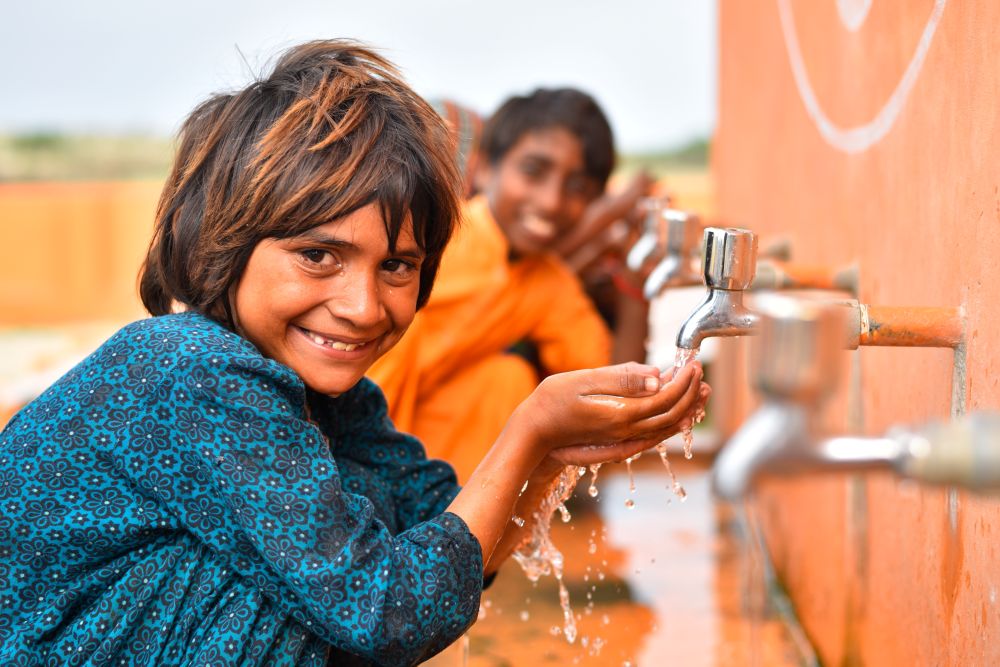
In the end, the water crisis is a test of our empathy and administrative grit. Whether it is a farmer in a dark zone or a family in a crowded slum waiting for a tanker that might never show up, the struggle for water is a struggle for dignity. Our goal should be an India where the green lights on a government report actually reflect the reliable flow of clean water into a citizen’s glass. Conservation isn’t just about saving a drop today. It is about ensuring the cities of tomorrow are not defined by the desperation we see in the tanker queues of today.
References:
- World Water Day- UN
- India seeks to arrest its alarming decline in groundwater-World Bank Blogs
- India’s Ground Water Crisis- Times of India
- Hope runs dry as groundwater sources in Punjab drop to alarming levels- Mongabay
- Future Delhi may tap recycled water for taps, gardens- Times of India
- Rain Water Harvesting- Tamil Nadu Government
- Swachh Bharat Mission-Urban
Raj Kashyap Das – Knowledge & Insights Coordinator, Sambodhi
