

Strengthening Last-Mile Delivery: What It Takes to Reach the Intended Beneficiary in India
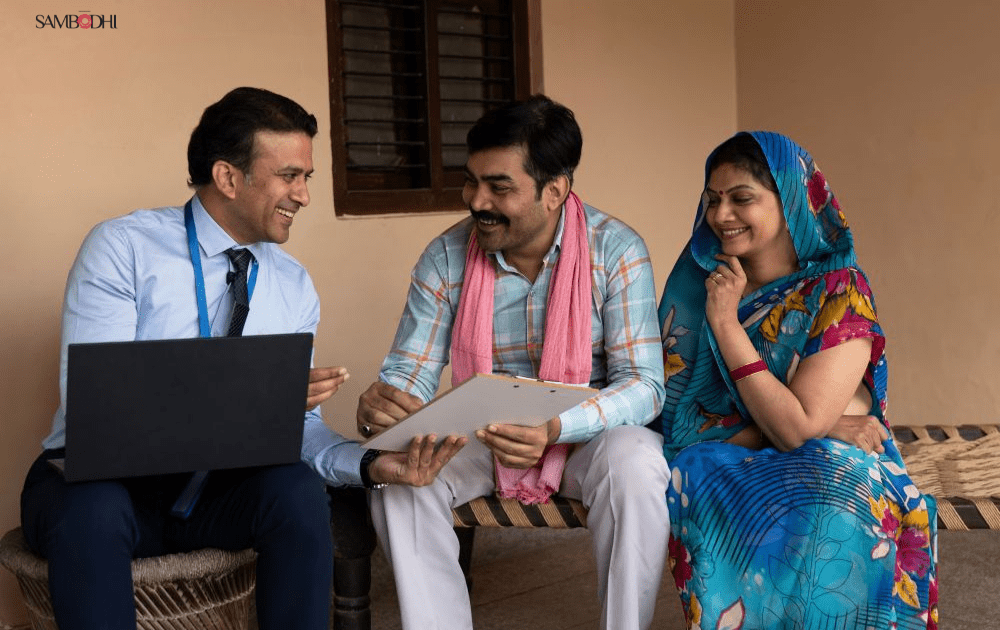
In India, public welfare rarely fails on the drafting table; it falters on the ground. A policy might look perfect in a New Delhi office, but its true test is whether a widow has to visit a bank three times just to confirm her pension, or if a laborer walks fifteen kilometers only to find out his wages haven’t cleared. The “last mile” is where the grand intent of the state meets the messy, everyday reality of its citizens. This is the space where people form their most lasting opinions about whether the system actually works for them.
The scale of India’s social safety net is immense, reaching nearly three-quarters of rural communities and half of urban households. With subsidized food reaching 800 million people and cash transfers supporting everyone from farmers to students, the logistics are a constant juggle. Over the years, we’ve learned that simply setting aside money isn’t the win. Success is measured by reliability at the point of service—the moment a person tries to access what they are owed.
Historically, these systems were riddled with holes. Before things went digital, ration cards were easily forged, and grain meant for the poor often leaked into the open market. This didn’t just drain the treasury; it crushed the confidence of the people, forcing them to rely on local middlemen and informal favors just to get their basic entitlements.
The reforms of the last decade have been about tightening those loose ends. The move to Direct Benefit Transfers (DBT) has been a massive shift, allowing money to move straight from the government to a bank account linked to a verified identity. This shortcutting of the bureaucracy has made things much more transparent. We saw the real value of this during the pandemic, when this digital backbone allowed the government to push out emergency support almost instantly to families who had lost their livelihoods overnight.
None of this would have worked without a massive push for financial inclusion. Opening millions of low-cost bank accounts gave rural families their first real bridge to the formal economy. For many women, having their own account has meant more than just receiving a deposit; it has given them a newfound level of control over how their household spends money.
However, while digital records help clean up databases and stop “ghost” entries, they don’t fix every human hurdle. Payment failures are still a major headache. A single digit typed wrong in an account number or a small mismatch in an ID can stop a payment in its tracks. Most people only find out there’s a problem after they’ve already traveled to a bank to withdraw the money. Fixing these errors often requires an exhausting cycle of visits to local offices, which adds a high cost to the very people the program is trying to help.
Authentication itself can be a barrier. Biometrics like fingerprints are great for security, but they often fail for the elderly or for manual laborers whose skin has been worn smooth by years of hard work. In areas with spotty internet, these devices can become useless. If a system relies solely on a “digital handshake,” it risks locking out the very people who need it most.
At the end of the day, the human element remains the most important link. The shopkeepers, banking correspondents, and local officials are the actual face of the government. Their honesty and helpfulness dictate whether the system feels supportive or predatory. When oversight is lax, people still run into irregular shop hours or “convenience fees.” Strengthening the way these workers are trained and monitored is just as vital as the software they use.
Infrastructure remains the final hurdle. Without steady power or a mobile signal, even the best digital tools are just paperweights. In remote areas, a network outage can mean a day of wasted travel for a beneficiary. This highlights that last-mile delivery isn’t just a tech challenge; it’s an administrative one. People need help navigating the rules, understanding their rights, and fixing things when they go wrong.
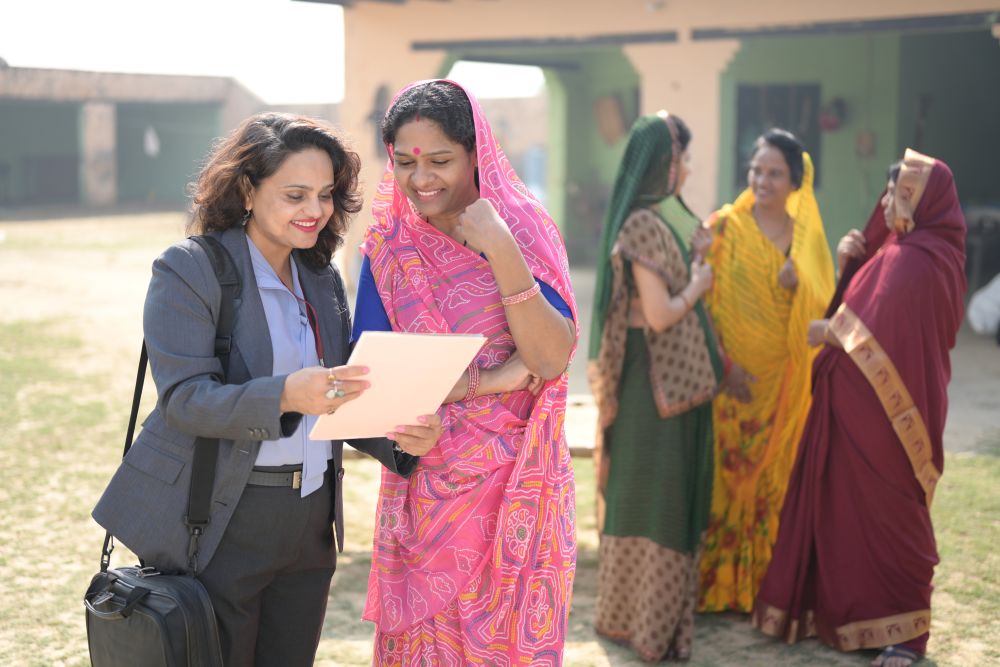
The next phase for India isn’t about building more platforms, but about making the existing ones more compassionate and reliable. When a benefit arrives on time, without a bribe and without a struggle, it does more than just fill a stomach or pay a bill. It reinforces a sense of dignity and reminds the citizen that the state actually sees them.
References
- National Food Security Portal
- National Food Security Act(NFSA), 2013- Impact and Policy Research Institute
- Direct Benefit Transfer
- Press Information Bureau
- Pradhan Mantri Jan Dhan Yojna
- Length of the Last Mile- Azim Premji University
- Aadhaar Failures: A Tragedy of Errors- EPW
Raj Kashyap Das – Knowledge & Insights Coordinator, Sambodhi
