

Recognizing Care Work in India: The Silent Architecture of the Economy
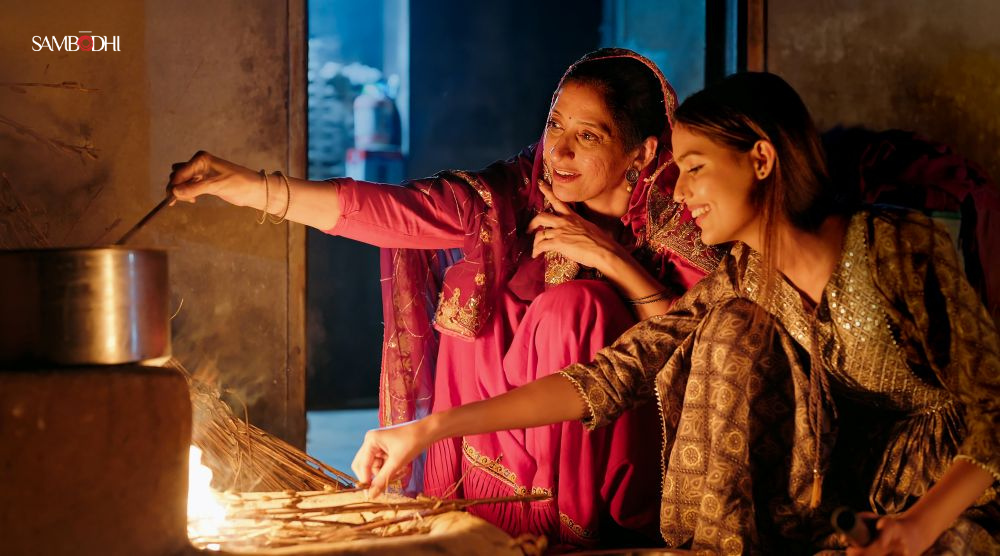
When we evaluate India’s economic momentum, we often focus on the soaring skylines of tech hubs or the vast physical footprint of the GatiShakti infrastructure projects. However, beneath this visible growth lies a silent, foundational economy that receives no valuation in our national accounts. It is the persistent, unpaid labor of millions of women who hold the social fabric together. This is the daughter-in-law in a tier two city managing a multi-generational household, the mother navigating a double burden of a ten-hour workday followed by five hours of domestic chores, and the ASHA worker providing a lifeline to rural health for a mere honorarium. As the 2026-27 planning cycle begins, we have to admit that care is not just a private family matter. It is the invisible subsidy upon which our formal productivity is built, representing an estimated 15 to 17 percent of our GDP that remains entirely off the books.
The 2024 Time Use Survey provides a map of this profound time poverty divide. In India, women aged 15 to 59 dedicate an average of 305 minutes every day to unpaid domestic services, while men in the same demographic contribute only about 88 minutes. This is not merely a lopsided division of chores; it is a structural barrier to the workforce. When five hours of a woman’s day are consumed by the drudgery of survival, such as fetching water, managing meals, and tending to the elderly, her participation in the paid economy becomes a physical impossibility. India currently faces a unique challenge where rising female education has not yet triggered a massive leap in labor participation, primarily because the institutional scaffolding to replace or support this care work simply does not exist.
In the policy landscape, this invisibility has historically turned our frontline care providers into volunteers rather than professionals. For decades, the millions of women driving the Anganwadi and ASHA systems were treated as honorary contributors, keeping their compensation in a state of perpetual precarity. However, the tide is beginning to turn toward a professionalized care ecosystem. The Union Budget 2026-27 has signaled a shift by proposing the training of 1.5 lakh multiskilled caregivers under the National Skills Qualification Framework. This moves the needle from informal help toward a certified career path in geriatric and allied care. By standardizing these roles, the state is finally attempting to bridge the gap between a private duty and a recognized wage-earning profession.
This transition is becoming an urban necessity as India’s demographic profile begins to gray. By 2050, one in every five Indians will be an elderly citizen, yet our infrastructure remains overwhelmingly geared toward a younger population. The current reliance on unregulated domestic labor is a fragile stopgap that serves neither the worker nor the family. Integrating the care economy into national planning requires treating care infrastructure with the same strategic urgency as we do our highways. This means scaling the Palna scheme for workplace creches and creating affordable, high-quality geriatric centers that prevent the sandwich generation, those caring for both children and aging parents, from being forced out of the professional sphere.
The next phase of India’s growth depends on shifting from a model of private sacrifice to one of collective social responsibility. This requires the implementation of the 5Rs framework: Recognize, Reduce, Redistribute, Reward, and Represent. It means using gender responsive budgeting to ensure that every rupee spent on social welfare actually reduces the time poverty of women. If we can successfully professionalize this sector, we are not just doing the right thing; we are unlocking the potential to create 11 million new jobs. This shift ensures that care work is no longer a hidden tax on a woman’s time, but a legitimate engine of national prosperity.
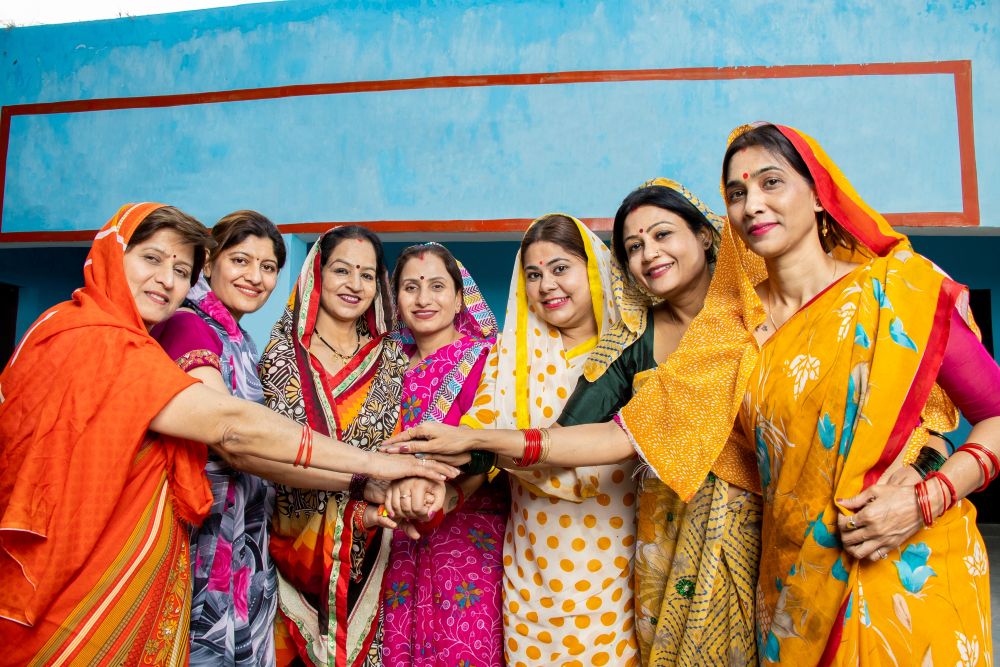
Finally, recognizing care work is a test of our administrative empathy. Whether it is a rural worker navigating a village trail or a city professional struggling to find a reliable creche, the care economy is what allows the rest of the nation to show up for work. Our goal should be an India where the contribution of every citizen is valued, regardless of whether it occurs in a boardroom or within the four walls of a home. Conservation of human capital starts with protecting those who protect our families. True progress lies in ensuring that the hands that hold our society together are finally given the dignity, the wages, and the support they have always deserved.
References
- Government of India. (2024). Time Use Survey 2024. Press Information Bureau. https://static.pib.gov.in/WriteReadData/specificdocs/documents/2024/mar/doc202435319501.pdf
- Government of India. (n.d.). Time Use Survey Dataset (Catalogue No. 236). Ministry of Statistics and Programme Implementation.
https://microdata.gov.in/NADA/index.php/catalog/236 - Press Information Bureau. (2024). Time Use Survey highlights: Participation in unpaid domestic services and caregiving activities. Government of India.
https://www.pib.gov.in/PressReleasePage.aspx?PRID=2106113®=3&lang=2 - Press Information Bureau. (2025). Key findings on unpaid domestic and caregiving services in India. Government of India.
https://www.pib.gov.in/PressReleseDetail.aspx?PRID=2236531®=3&lang=1 - Ministry of Women and Child Development, Government of NCT of Delhi. (n.d.). Palna Scheme under Mission Shakti. https://wcd.delhi.gov.in/sites/default/files/WCD/universal-tab/palna_scheme_under_mission_shakti.pdf
- The Hindu. (2024). The need to recognise volunteer care work. https://www.thehindu.com/opinion/op-ed/the-need-to-recognise-volunteer-care-work/article70719886.ece
Raj Kashyap Das – Knowledge & Insights Coordinator, Sambodhi
