

PM-KUSUM and the Solar Push: Decentralizing Irrigation for Sustainable Agriculture
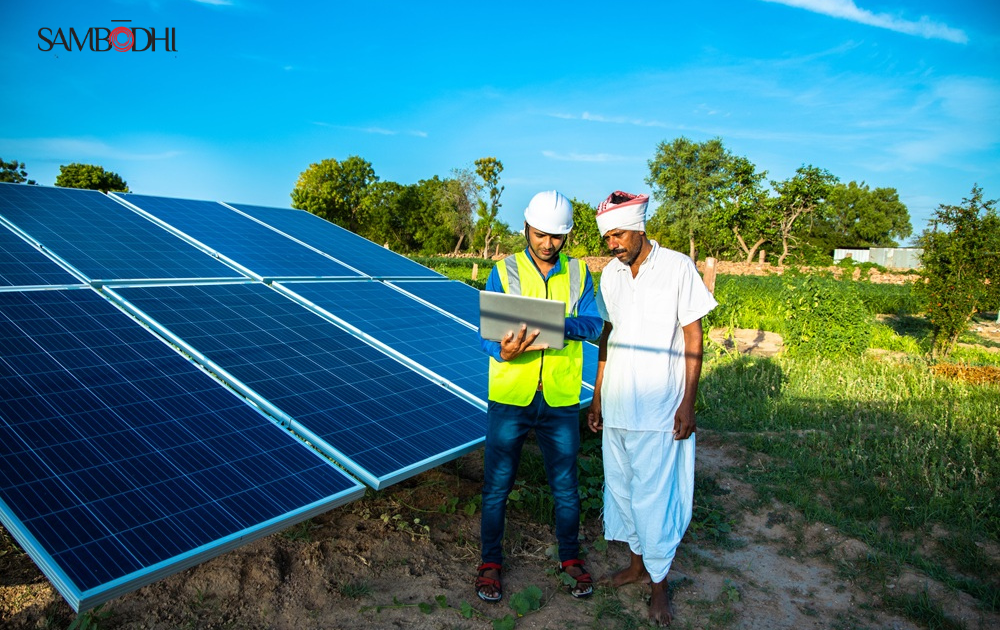
When the Pradhan Mantri Kisan Urja Suraksha evam Utthaan Mahabhiyaan (PM-KUSUM) was announced in 2019, it did not arrive with the hype that usually surrounds large energy programs. For many states, the idea felt familiar: farmers needed reliable irrigation, diesel was expensive, and the grid was too stretched to supply daytime power everywhere. What PM-KUSUM did was give structure to a problem that had been building for years and anchor it in a clear design through local solar generation, farmer participation, and gradual relief for state utilities.
The scheme is organized into three parts, though they often blur in practice. The three-part design reflects the different realities farmers face across India, from diesel dependence and unreliable supply to grid-connected pumps that receive power at inconvenient hours. Component A allows decentralized solar plants, usually one or two megawatts in size, to be set up near agricultural feeders. Component B supports standalone solar pumps, mostly in districts where grid supply is irregular or where farmers still depend heavily on diesel. Component C focuses on converting existing grid-connected pumps to solar so that farmers can irrigate during the day instead of waiting for evening supply. Together, these were meant to push nearly 35 gigawatts of new capacity by 2026.
Progress has moved in patches. By the end of 2024, official updates put the number of standalone pumps installed under Component B at a little over 5.4 lakh. Under Component C, more than 80,000 pumps had been solarized, though this number grows slowly because feeder readiness varies from state to state. Component A, which requires land near substations and tighter coordination with distribution companies, has crossed 319 MW of commissioned capacity. States such as Maharashtra, Rajasthan, and Madhya Pradesh have made more rapid progress because they have proactively addressed land availability near substations, grid readiness, and financing bottlenecks.
The real difference shows up in fields. A farmer with a standalone solar pump gets irrigation without worrying about diesel availability or sudden outages. This becomes especially important during dry spells when the timing of irrigation matters as much as the quantity. Studies note that solar pumps are typically used for roughly 150 irrigation days in a year, which is adequate for most seasonal crop cycles. The remaining capacity can be channeled into other activities through a Universal Solar Pump Controller, allowing farmers to run equipment such as chaff cutters, flour mills, driers, or small cold-storage units. Farmers also point out that daytime pumping means they can manage irrigation themselves rather than leaving it to hired labor.
Distribution companies have their own reasons to support the program. Agriculture consumes a large share of subsidised electricity, and supplying power at night strains the grid. Solarizing feeders or connecting decentralized plants reduces that stress and allows utilities to plan a better supply. Some states have buy-back provisions for surplus solar energy, though the rates and metering systems differ widely.
The scheme still faces practical hurdles. Banks are cautious in lending to small farmers, even though subsidies cover a significant portion of pump costs. Land near substations is not always available for Component A, and in some districts, vendors struggle to meet domestic manufacturing norms. Servicing is uneven; pumps work well b
\ut still require periodic checks, and not all suppliers have strong local networks.
There are also groundwater concerns. Solar pumps remove the operating cost barrier, which can tempt farmers to pump more than what aquifers can support. This is not a flaw in the technology but a reminder that irrigation and groundwater policy cannot run on separate tracks. Some states are experimenting with smaller pump sizes and community awareness campaigns to address this, but the challenge is ongoing.
Looking ahead, the scheme’s value will depend on how quickly states can sort out finance, feeder readiness, and servicing arrangements. Small and marginal farmers will need simpler paperwork and easier access to loans. And alongside pump installation, there has to be steady monitoring of groundwater trends so that irrigation gains do not come at environmental cost.
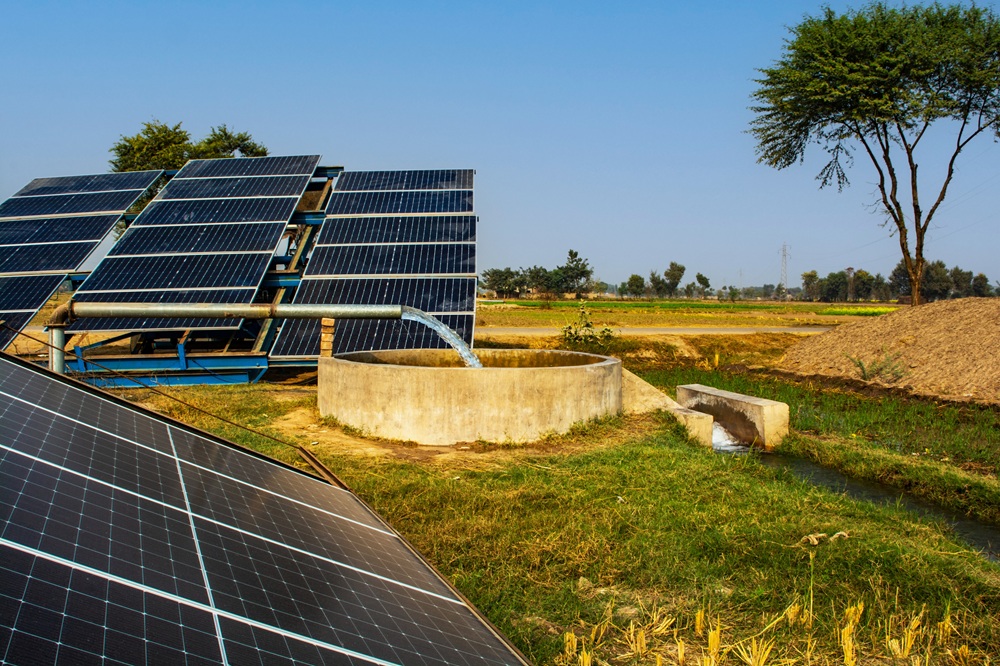
PM-KUSUM has begun to change how irrigation power is delivered with less diesel, more predictability, and a little more control in the hands of farmers. Whether this change holds will depend on the everyday work of maintaining pumps, strengthening feeder infrastructure, and helping farmers manage water more carefully. The early signs are encouraging, but the next phase will decide how far decentralized solar irrigation can go.
References
Raj Kashyap Das – Knowledge & Insights Coordinator, Sambodhi
