

Nutrition in pre- and post-pandemic India
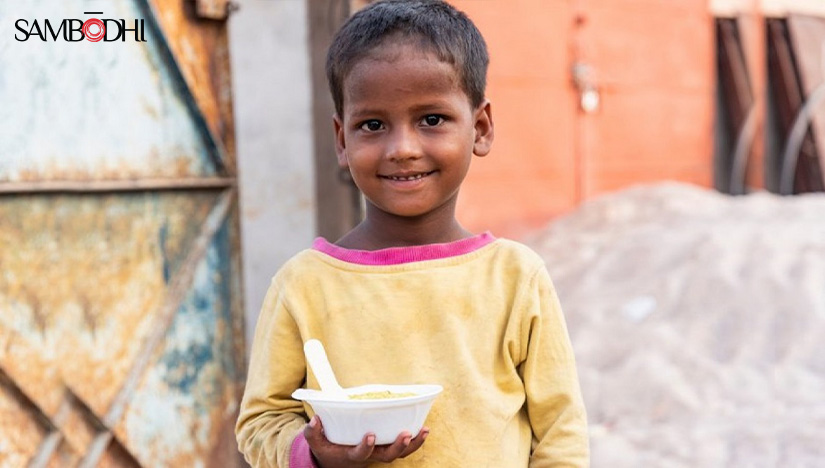
The pandemic changed people’s relationship with food and their health after witnessing just how dangerous COVID-19 proved to be for humanity. Misinformation reached an all-time peak wherein people were willing to try anything to prevent infection. During that time, one of the most googled topics was people trying to figure out the best methods to boost their immunity.
Vegetables were not the only thing being washed thoroughly before consumption. An increased emphasis on having a balanced diet and exercising daily were the trends of the time. Sanitation awareness also dominated most households. But now that we have entered the post-pandemic era, despite it never having fully ended in the first place, have our attitudes toward nutrition and health gone back to the pre-pandemic times?
Nutrition in India has been a matter of concern for decades. As a developing nation, the need to address severe malnutrition took on an urgent form, especially during the Covid-19 crisis. While some could afford to stock supplies, work on boosting their immunity and safeguard themselves against the virus, many were forced to face the harshest realities created by the pandemic.
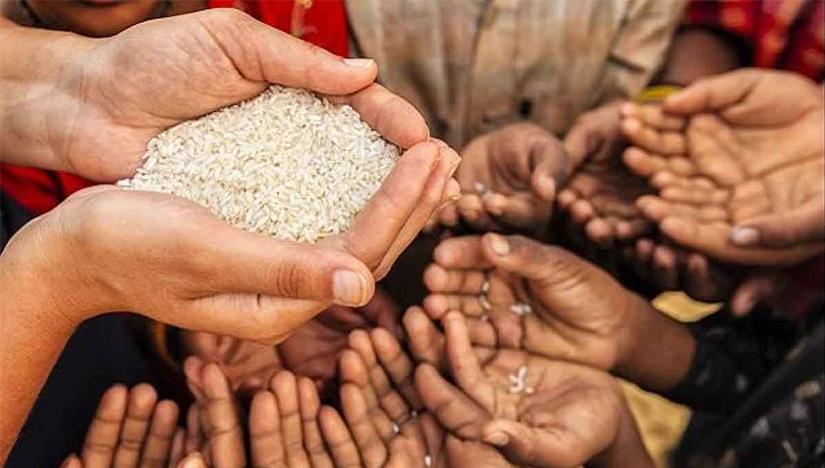
Nutrition-specific interventions gained momentum before the pandemic with programmes such as the Integrated Child Development Services (ICDS), National Health Mission (NHM), POSHAN Abhiyaan, Anemia Mukt Bharat (AMB), all of which focus on re-prioritizing nutrition targets and working on eliminating malnutrition in India.
While some of these schemes have been functioning for a long time, the progress has been slow and variable even in pre-pandemic times. Some of the reasons include
- access and equity issues,
- bottlenecks in specific interventions, and
- lack of an enabling environment for delivery.
Even the coverage of major nutrition-specific interventions did not exceed 70% coverage in 2015-2016.
The pandemic only exacerbated the situation. Due to a decline in income, disruptions in nutrition and health systems, and governance issues due to the pandemic, basic amenities such as access to clean water and nutritious food took a drastic hit. Sambodhi helped conduct a survey which revealed that food consumption during the pandemic saw a drastic decline. Among 4,200 households, around 50% said they had fewer meals a day.
The data also reveals the gendered nature of this shortage of food. A greater number of women reported food shortage and reduced intake compared to men. The number of food items in a meal also decreased, impacting rural India, which was already eating less nutritious food.
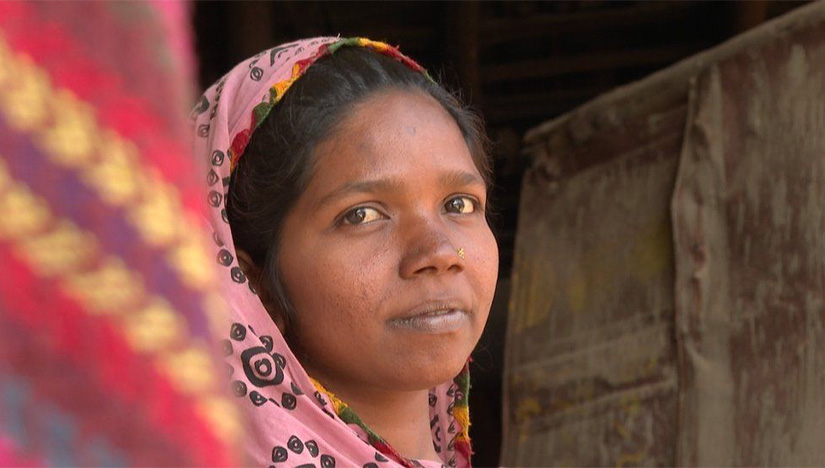
Despite this situation, there has been an improvement in the nutritional metrics.
According to the fifth National Family Health Survey (NFHS-5) conducted between 2019-20, the prevalence of stunting and under-weight trends has decreased since 2015-16. Stunting declined from 38% to 36% in 2019-21. Over this same period, the prevalence of wasting has declined from 21% to 19% in 2019-21.
Now that most restrictions have been lifted and economic revival is the central concern for the country, more resources need to be invested in improving the nutritional profile of its citizens to reduce mortality rates. And while the pandemic proved to be a big hurdle in the path of progress, it revealed just how imperative it is that we dedicate ourselves to work to improve our nation’s health.
References:
https://accountabilityindia.in/wp-content/uploads/2020/12/Nutrition-Brief_.pdf
Aishwarya Bhatia – Content Strategist, Sambodhi
