

Beyond Food Availability: Understanding Household Choices and Nutrition Outcomes in India
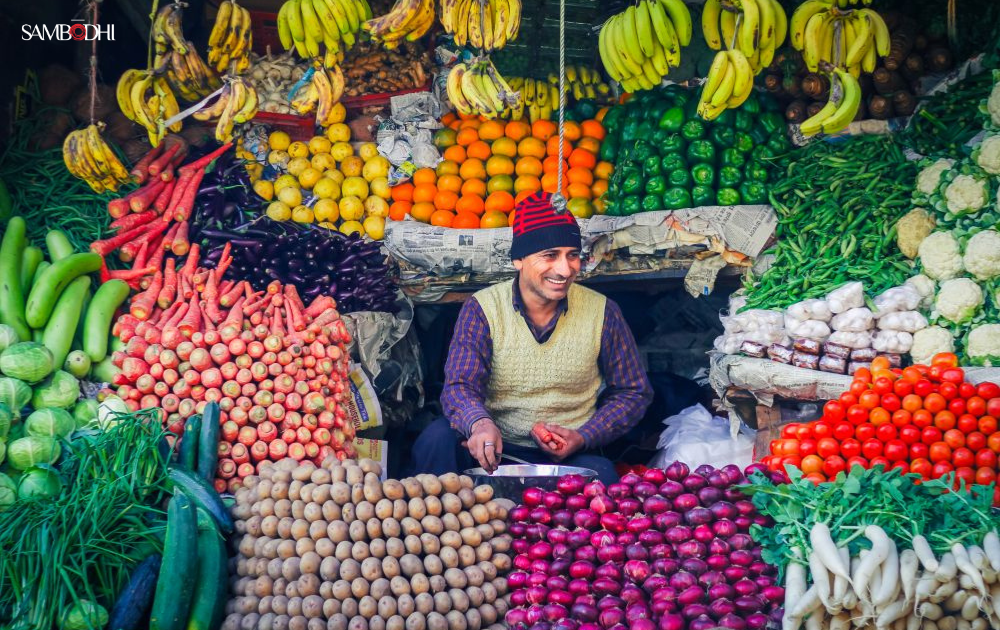
In many parts of India, food is no longer as scarce as it once was. That, in itself, is not a small shift. Over time, systems like the Public Distribution System have made cereals more predictable at the household level. You see it in how people talk about rations now. Not as relief, but as something expected.
And yet, when nutrition data comes in, it does not reflect that stability. Children are still shorter than they should be for their age. Anemia among women continues to remain widespread. Recent estimates suggest that nearly 59.1% of adolescent girls are still affected, despite years of nutrition-focused interventions. If food is reaching households, what is not translating?
Part of the answer lies in what that food actually is. Grain-heavy systems do what they are designed to do. They reduce hunger. But they also shape diets in ways that are harder to reverse later. Once meals settle around rice or wheat as the base, everything else becomes an addition, not a requirement. Additions depend on cash in hand, local prices, and sometimes habit.
In several districts, this shows up as a kind of rotation. Pulses for a few days. Then none. Vegetables, when available, are often limited to one or two types. Eggs, if at all, are occasional. Milk depends on whether it is produced locally or purchased. It is not a fixed pattern. It shifts, but within a narrow range.
What looks like “choice” from the outside is often just an adjustment.
There is also the matter of how decisions are made inside the household. Food is shared, but not always equally. Women’s intake tends to be the most flexible part of the system. It adjusts when something has to give. This is rarely discussed openly. It is built into everyday practice. In some households, women eat after everyone else. In others, they skip certain items without it being marked as a sacrifice.
During pregnancy, this does not automatically change. Advice is given, often through frontline workers linked to the Integrated Child Development Services. But advice competes with routine. And routine usually wins.
For young children, the gap shows up differently. Complementary feeding is where things begin to drift. Caregivers are told what to do, but what they actually do depends on time, money, and what is considered normal in that setting. A child might be fed enough to stay full, but not enough variety to support growth. The distinction is not always clear at that level.
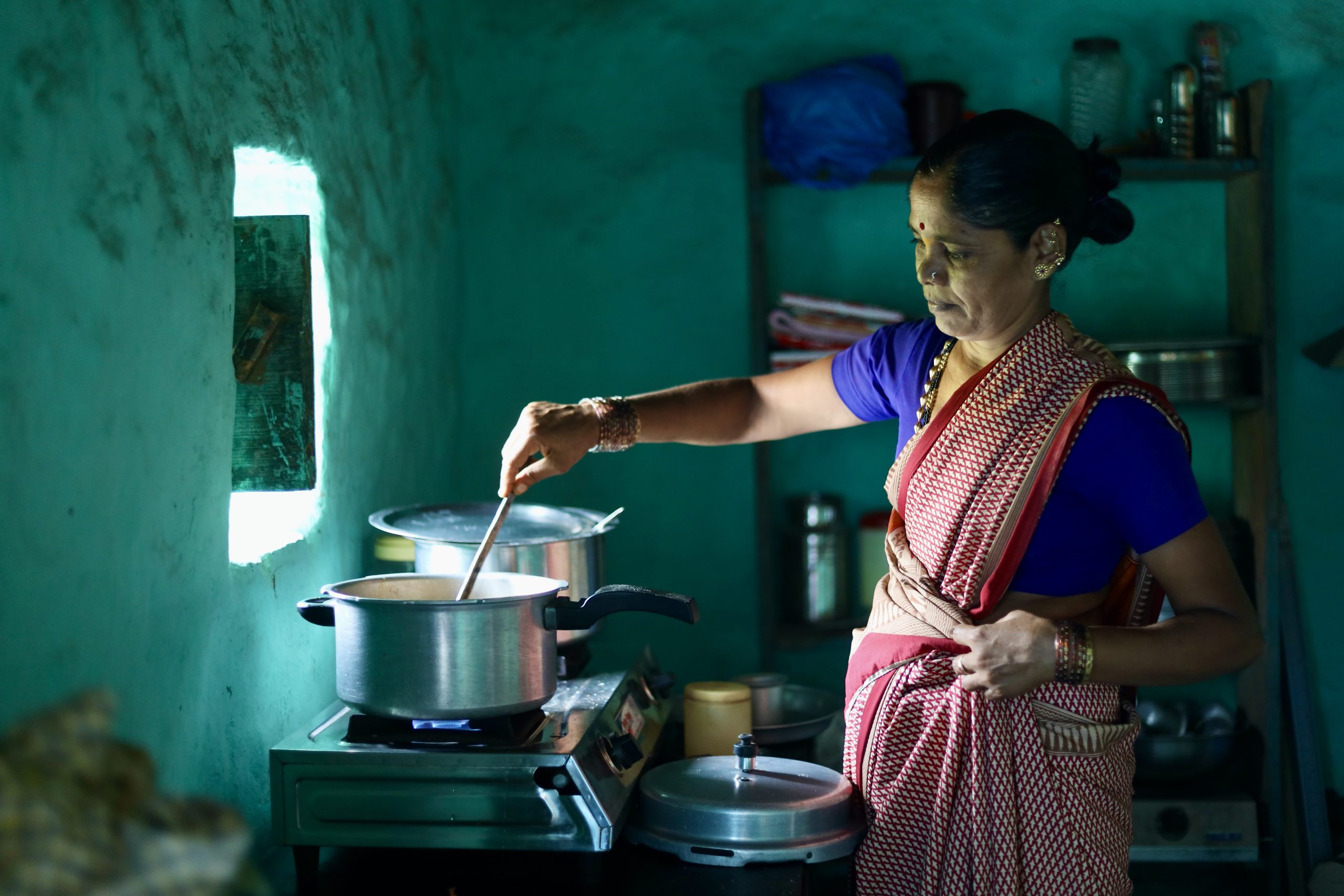
Time is another factor that sits in the background but shapes most of this. Cooking a diverse meal is not just about ingredients. It takes effort. In households where women are working outside or managing multiple responsibilities, simpler meals make more sense. Over time, those meals stop being temporary adjustments and become standard.
Meanwhile, the food environment itself is changing. Small shops now stock items that were not common earlier. Packaged snacks, ready-to-eat foods, and things that require no preparation. They are not necessarily cheaper in the long run, but they are easier in the moment. That matters on a busy day.
None of this fits neatly into how nutrition programs are structured.
Most interventions still assume a fairly direct line between supply and outcome. Food is provided. Information is shared. Improvement is expected. But the space between those steps is where things get complicated. Behavior change is part of the design, but often not with the kind of consistency it would need to actually shift habits.
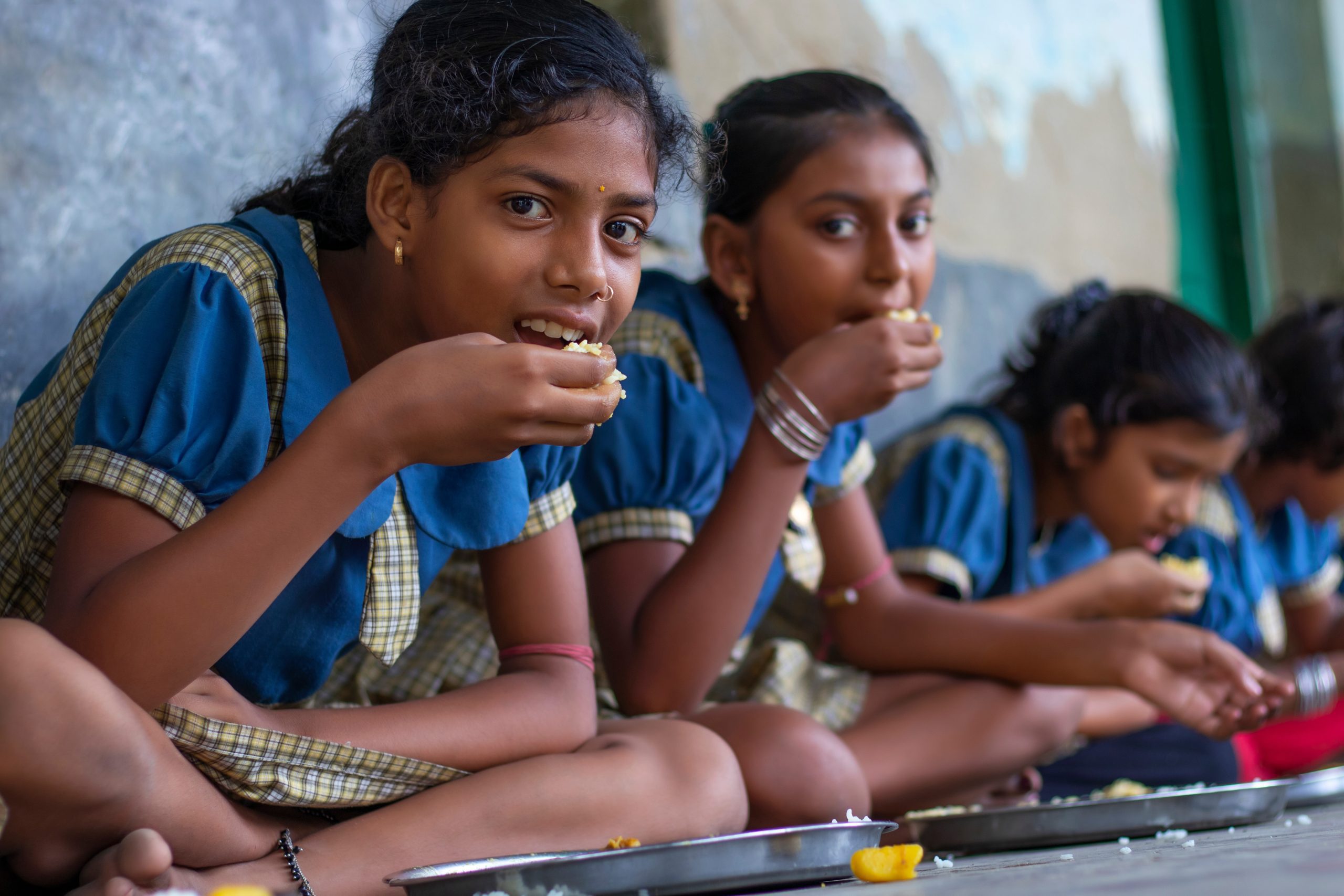
There are exceptions. In some areas, repeated engagement has changed feeding practices, especially where community workers have time to follow up. In others, linking local produce to school meals under the PM Poshan Yojana has made diets slightly more varied. But these are not patterns that hold everywhere. They depend on how seriously the last mile is managed.
Another limitation is in how outcomes are tracked. Distribution is easy to measure. Coverage can be counted. What people actually eat, over time, is less visible. Diet diversity, frequency, and intra-household allocation are harder to capture, so they are often left out of regular monitoring.
Which means the system keeps seeing inputs clearly, but outcomes only partially.
None of this takes away from the importance of food provisioning. Without it, the situation would be worse. But it does suggest that the problem has shifted. It is no longer only about whether food is available. It is about how that food fits into lives that are already constrained in multiple ways.
Households are not passive in this. They are constantly adjusting, making decisions that make sense in their context. Those decisions do not always lead to better nutrition outcomes, but they are not random either.
That is why the space policy has to engage more directly. Not just what is delivered, but what happens after.
What remains less visible in most discussions is how limited the evidence base still is on actual consumption behavior at the household level. Large surveys capture outcomes, but not always the decisions that lead to them. There is a gap between knowing that malnutrition persists and understanding, with precision, how everyday choices around food are made under constraint. This is where more granular, field-anchored data becomes critical. Longitudinal tracking of diets, intra-household allocation, and shifts in local food environments can help move the conversation beyond assumptions.
At Sambodhi, this gap has increasingly shaped the way studies are designed and executed, with a focus on generating evidence that reflects how people live, decide, and adapt in real conditions. Strengthening that evidence base is not just about better data, but about making policy more responsive to the realities it seeks to change.
References
- Public Distribution System
- India’s Fight Against Anemia-PIB
- Services under the Integrated Child Development Services
- India: A journey through a community-based school meals initiative in Meghalaya
Raj Kashyap Das – Knowledge & Insights Coordinator, Sambodhi
