

Plastic and the Crisis of Marine Biodiversity in India
24
Jun
Posted by: Raj Das
Category:
Impact
No Comments

India’s marine biodiversity is staggering in scale and complexity. But it’s not invincible.
From the coral islands of Lakshadweep to the mangroves of the Sundarbans, India’s coastline—stretching over 7,500 kilometers, is a cradle of life. It hosts over 18,000 documented marine species, many of which are endemic, ecologically critical, and economically invaluable. But beneath these pristine waves lies a growing threat, largely invisible until it isn’t: plastic.
The figures are quite grim. India produced an estimated 10.2 million tons of plastic waste annually. Of this, nearly 3.9 million tons likely ended up in the country’s water bodies. What’s more alarming is that much of this waste doesn’t originate from coastal areas at all. It travels, carried by the Ganga, the Yamuna, the Brahmaputra, moving from street corners and storm drains to estuaries and open seas. By the time it reaches the coast, the problem is no longer local; it’s systemic.
This blog delves into how plastic pollution is reshaping India’s coastal ecosystems—from coral reefs and seagrass beds to fishing economies, and why addressing it demands more than bans. It explores the institutional blind spots, policy inertia, and community-led innovations that together define the path forward.
The anatomy of a threat
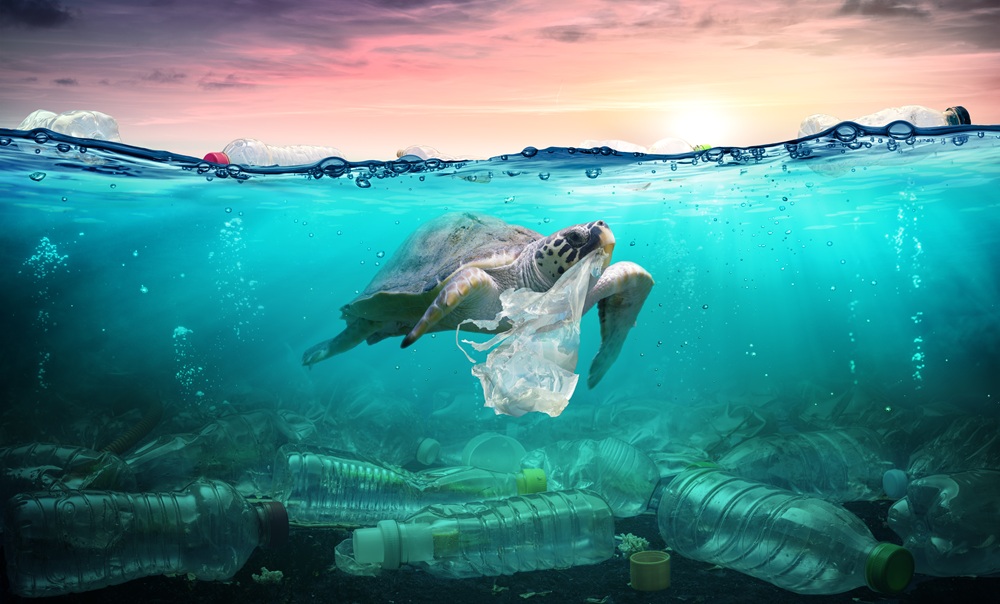
Marine plastic pollution manifests in multiple, often overlapping ways. Sea turtles often mistake plastic bags for jellyfish and suffocate. Coral reefs—already stressed from warming waters, face a 89% increase in disease risk from a mere 4% when in contact with plastic debris. And microplastics, now found in everyday seafood and even sea salt, are infiltrating food chains with uncertain but likely long-term consequences for both ecology and public health.
In India’s coastal waters, most marine species are already known to be affected by plastic. Some, like the endangered olive ridley turtles, suffer physical harm while others endure slow, invisible damage through ingestion and toxin accumulation. But the effects don’t stop there. When plastic blankets over fresh water bodies or clogs mangrove roots, it disrupts entire ecosystems, many of which act as nurseries for fish and natural storm barriers.
Policy on paper, plastic in the sea
To its credit, India has moved on from plastics. The 2022 nationwide ban on single-use plastic products signaled strong intent. New regulations now require brands to account for the plastic they put into the system. But these instruments, while important, are not designed for marine outcomes. They target urban waste, not ocean leakage. Coastal plastic often slips through the cracks as a result—literally and figuratively.
Another example is the Coastal Regulation Zone (CRZ) Notification, which focuses primarily on construction and zoning, not waste. Meanwhile, marine litter isn’t yet integrated into national biodiversity monitoring frameworks. Campaigns like Swachh Sagar, Surakshit Sagar have raised awareness, but lack the continuity and institutional support to drive systemic change.
What needs to change?
First, we need real-time, location-specific data. Marine plastic pollution isn’t a single event, it’s a daily, distributed flow. Establishing an extensive network to monitor marine plastic, anchored in coastal academic institutions, supported by state pollution boards, and informed by fisher communities, could help us fill the gaps between regulations and implementation. Technology can assist, but it must be grounded in context. Satellite mapping alone won’t tell us how plastic moves through mangroves during monsoons or what types of debris wash up on Kerala’s beaches versus Gujarat’s.
Second, we must localize the problem. A plastic budget at the district level aimed at measuring inflow, stock, and leakage, can help map timely interventions to actual waste behavior. Just coastal cleanup drives alone won’t solve the issue. Methods like the Material flow analysis (MFA), already used in Europe, can be adapted for our coastal governance to create waste-informed planning.
Third, the Blue Economy framework needs more accountability. Fisheries, tourism, ports—all pillars of India’s ocean economy, generate waste. But very few are currently obligated to manage it. Waste audits at fish landing centers, collection protocols at ports, and strict enforcement of plastic management rules in tourism zones should be non-negotiables, not aspirations.
Coastal communities: victims and vanguards
Fishing communities living alongside our coasts know the problem better than most. They’ve seen nets come up heavy not with catch, but with wrappers, plastic bottles, and synthetic debris. Kerala’s Suchitwa Sagaram initiative has shown what’s possible when local knowledge meets institutional support. In less than two years, fisher-led marine waste recovery under this program cleared over 65 tons of plastic from the sea.
This is the best example of the circular economy at work. With the right incentives, sorting infrastructure, and logistics support, plastic recovery can become part of the coastal economy. It can create livelihoods even as it restores ecosystems.
Japan’s recycling policy and Norway’s port reception facilities for marine litter are good examples. But transplanting these initiatives without context would be counterproductive. India’s coastline spans 13 states and 2 Union Territories. The scale is staggering, but so are the variations in waste patterns, resource access, and governance capacity.
That’s why the solution must be flexible. A policy that works in Goa may not work in Odisha. A marine litter recovery protocol for a busy urban port won’t apply to a small fishing hamlet.
The ocean remembers
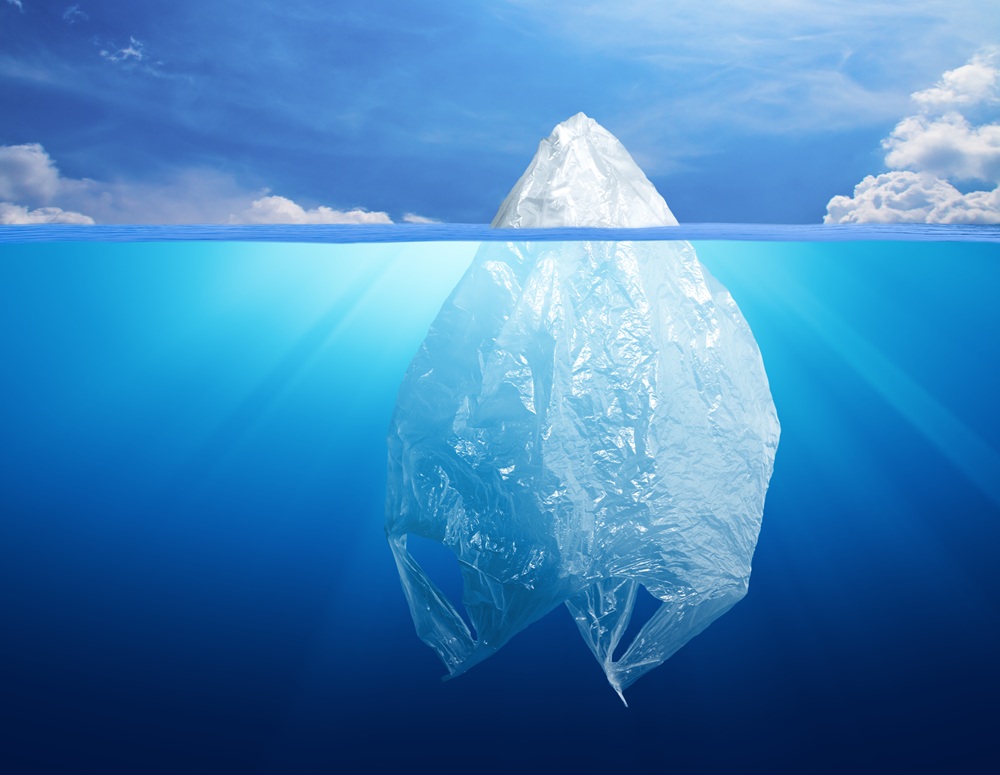
The plastic we see in our oceans today is just the tip of the crisis. Most of it lies beneath the surface—both physically and politically. It’s embedded in the gaps between departments, lost in the midst of inland and coastal policies, and the long delays between projects and their actual implementation.
What our country needs right now is a new contract with its oceans that values data as much as intent, supports local efforts instead of bypassing them, and sees marine biodiversity not as scenery but as an essential part of our ecosystem.
Plastic is a human invention, but the ocean is not. We owe it more than an apology. We owe it a plan.
Raj Kashyap Das –Knowledge & Insights Coordinator, Sambodhi
