

Bridging the Digital Divide in Rural India
10
Aug
Posted by: Raj Das
Category:
Impact
No Comments
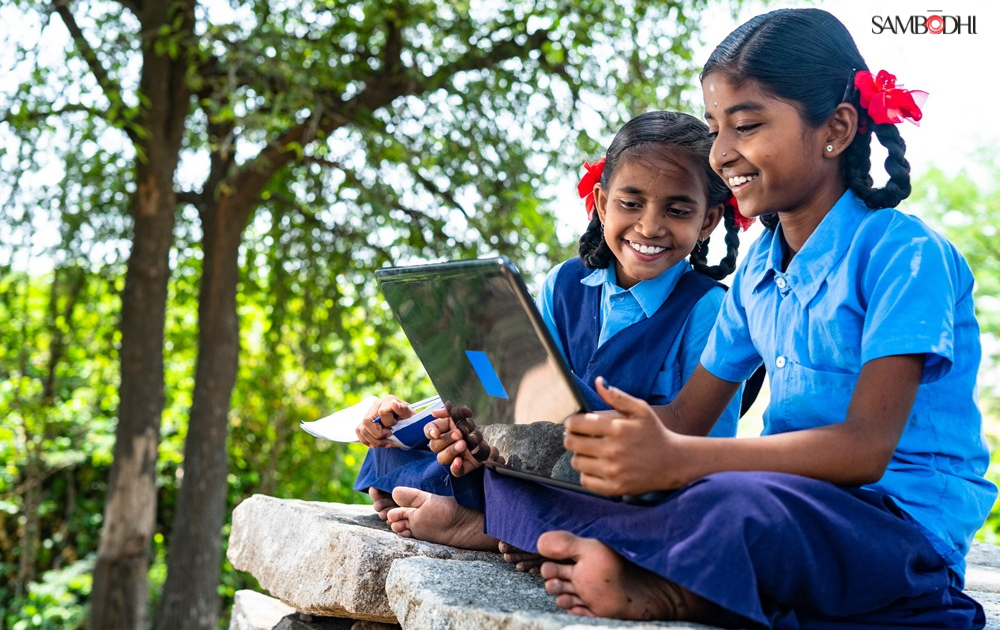
Across India’s villages, where nearly two-thirds of the population lives, the promise of digital transformation has arrived late and unevenly. The towers are up. The fiber lines are drawn. The dashboards glow with progress. But in many rural households, the reality is more static than streaming. The digital divide isn’t just a matter of bandwidth. It’s a peek into the deeper fracture between infrastructure and inclusion, access and ability, presence and participation.
This blog explores where that fracture lies, how it widens, and what it will take to bridge this gap in the day-to-day lives of people waiting for technology to deliver on its promise.
Beyond the Coverage Map
With over 954 million internet subscribers, more than 550 million UPI transactions daily, and a growing stack of public digital infrastructure, India’s digital story is often told in big numbers. But peel back the layers, and a different picture emerges. As of 2025, only 41.75% of India’s internet users are rural, despite rural India accounting for more than 65% of the population. And that gap isn’t closing fast enough.
Connectivity exists, but what people can do with it often doesn’t. In many parts of rural Bihar, Odisha, and especially in the northeastern states like Meghalaya and Arunachal, having a mobile data plan doesn’t mean you can stream a classroom video, attend a telemedicine session, or access an online grievance portal easily. Often, speeds are low with fluctuating signals and outdated devices. TRAI data shows average internet speeds in rural areas are mostly lower than urban averages, affecting usability even where connectivity technically exists. Language settings don’t match. And more than often, no one nearby knows how to troubleshoot.
The National Statistical Office reports that around 51% of rural women in India don’t even own a mobile phone. That’s not a digital divide but a complete digital invisibility. For half the rural female population, the question isn’t what app to use. It’s whether they’re even counted as users at all. A 2022 GSMA study further found that rural women are 41% less likely to use mobile internet than rural men in South Asia, citing barriers like affordability, safety concerns, and lack of digital skills. Even when devices are available, meaningful access isn’t guaranteed, especially for those at the intersection of gender and geography.
The result? Digital exclusion no longer looks like an absence today; it seems like a presence without power.
When Access Isn’t Enough
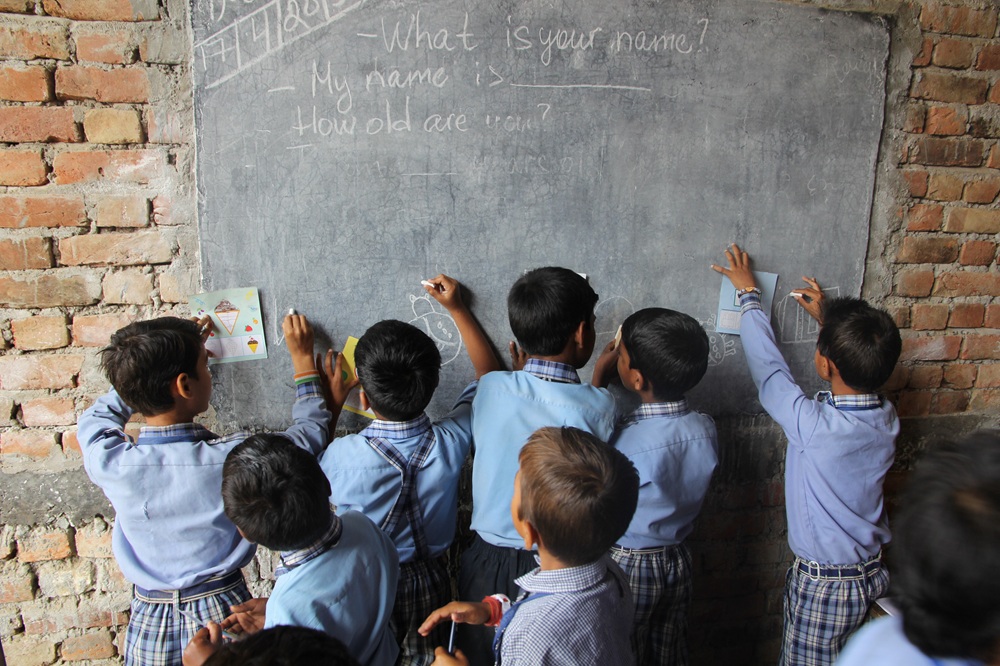
The impact of the digital divide is quiet but profound. During the COVID-19 pandemic, as schools shifted online, millions of rural students disappeared from classrooms—not because they weren’t enrolled, but because they couldn’t log in. The 2021 ASER survey found that just 11% of rural children had access to live online classes. The rest relied on patchy WhatsApp messages, missed worksheets, or nothing at all.
In agriculture, the story is similar as well. Portals for market prices, weather forecasts, and input subsidies do exist. But a farmer in Vidarbha or Kalahandi is unlikely to use them if the app loads in English or has an interface that they have never been familiar with.
And in governance, the shift to Direct Benefit Transfers and Aadhaar-authenticated services has helped millions, but it has also left behind those who can’t navigate biometric errors, frozen bank accounts, or failed authentication screens.
Where the System Stumbles
The government’s efforts to close this gap have been substantial. BharatNet, India’s rural broadband backbone, has laid over 6,92,299 km of fiber, connecting more than 2.14 lakhs gram panchayats. Digital literacy campaigns like PMGDISHA have trained millions in basic digital skills.
But the problem isn’t just availability. It’s architecture. Most digital inclusion programs are built to scale, not to adapt. They assume the same solutions will work from Kerala’s backwaters to the forests of Meghalaya. They focus on inputs like fiber laid and devices distributed, rather than outcomes based on how many people can use them, and for what.
This highlights a critical gap between access and actual experience. Interfaces may be built, but that doesn’t mean they’re usable, trusted, or understood. Often, no one is accountable once the ribbon is cut. As a result, hotspots fail. Tablets gather dust. Helplines ring unanswered.
Without local ownership, technical support, and user feedback loops, infrastructure becomes decoration.
From Infrastructure to Inclusion: What Will It Take?
Start local. Some of the most promising models aren’t top-down. They’re owned, run, and maintained by the communities they serve. In tribal villages of Jharkhand and Meghalaya, community Wi-Fi networks have outlasted state-run towers. Why? Because the network wasn’t just dropped in but instead, it was built with local technicians, powered by solar, and priced to sustain itself.
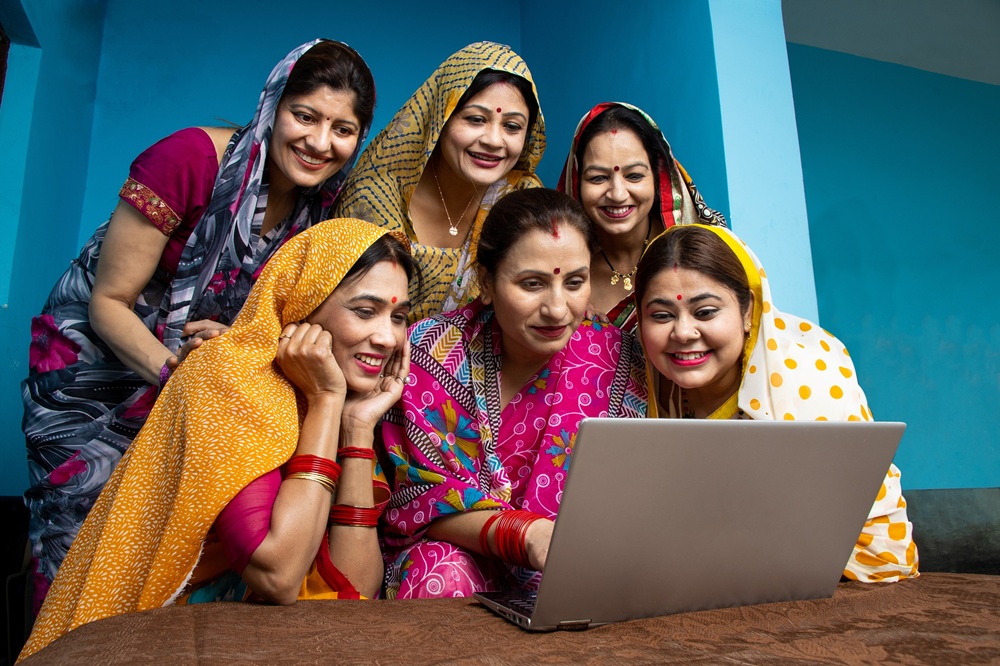
Also, it’s high time to rethink devices and their functionality. A rural woman with three children isn’t empowered just because a tablet reached her doorstep. She needs training, offline-friendly content, language settings she can understand, and a sense of control that will encourage her to use these devices more and not just a screen for her kids to play games on.
Third, treat digital services like real services. No bank would ask customers to figure out the ATM on their own. But we often expect rural users to decode unfamiliar apps, navigate login issues, and trust unseen systems with no one to guide them. That has to change.
Fourth, use people to build trust. In parts of Maharashtra, NGOs have trained “digital didis”—local women who help SHG groups transact online, track payments, and access e-health services. Adoption rates skyrocketed. Not because of tech. Because someone trusted stood beside them.
And finally, measure differently. Don’t just track towers and terminals. Track what people can actually do—how often they use a service, whether they understand it, and how it improves their outcomes. If we don’t measure real use, we’ll keep celebrating imaginary success.
Equity is the Signal
India’s digital ambition is bold, and rightly so. But without empathy, even the most ambitious digital reforms can leave people behind. A digital divide is not just about who’s connected. It’s about who’s left behind when systems speak in codes and people speak in context.
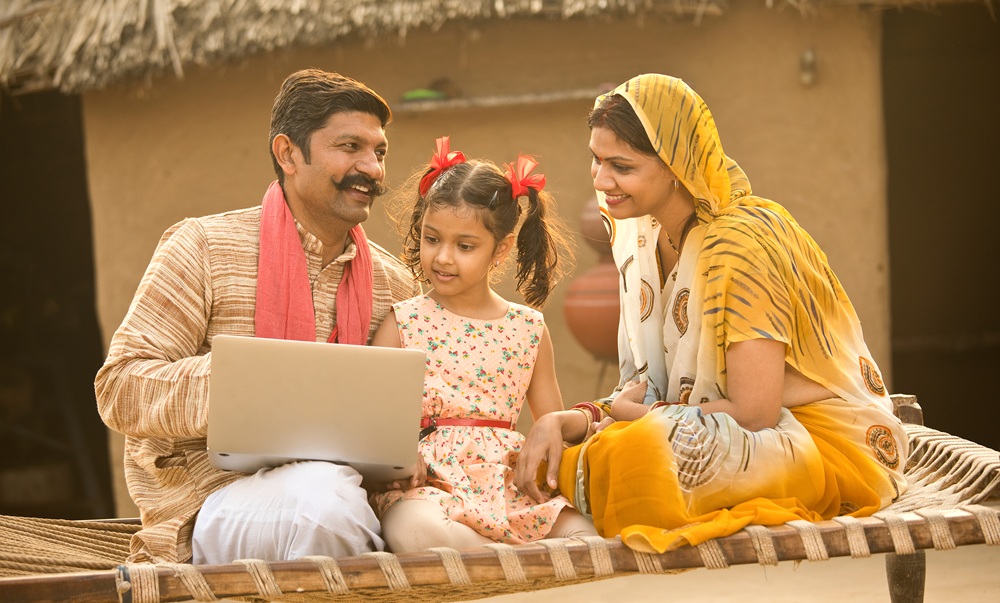
If we want to bridge that divide, we have to stop designing for the average mainstream users and start designing for the forgotten ones as well. The woman who never went to school. The farmer who lost his password. The child who walks to a neighbor’s house to catch a signal. These are not edge cases. They are the reason digital inclusion matters most.
The future won’t wait. But if we want it to reach everyone, we’ll have to slow down long enough to meet people where they are.
The connection is possible. But the system has to dial in.
Raj Kashyap Das – Knowledge & Insights Coordinator, Sambodhi
