
NDEAR and the Future of Indian Classrooms: Building the Digital Infrastructure for Learning
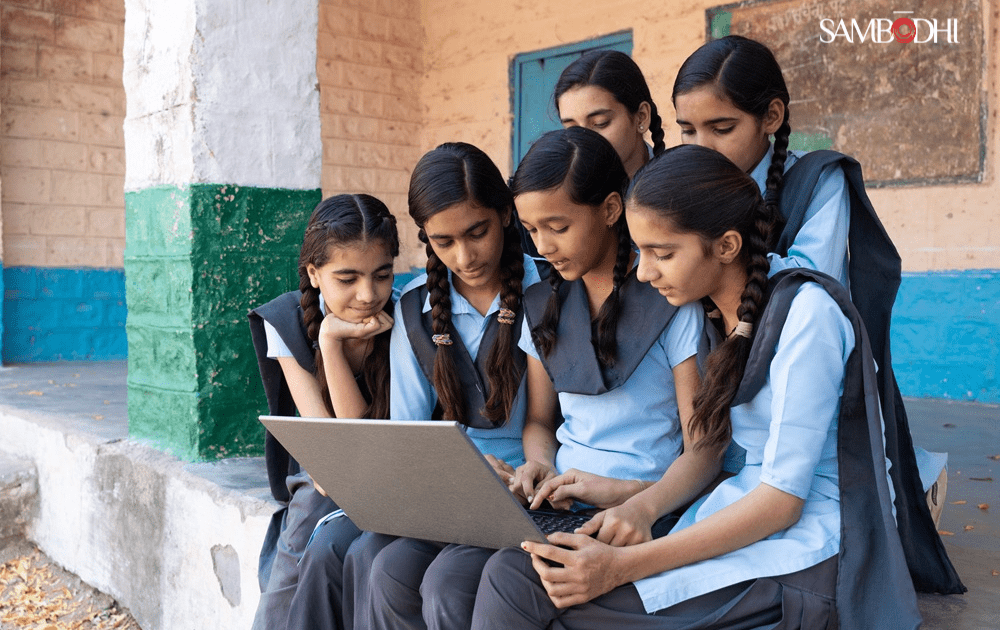
In most discussions on school reform, attention is focused on classrooms, textbooks, or teacher capacity. The digital systems that hold these pieces together receive far less notice. The National Digital Education Architecture (NDEAR) sits in this quieter space. Introduced in 2021, NDEAR is not a single platform but a framework that brings India’s education ecosystem onto a shared digital foundation.
At the center of NDEAR is the principle of modularity. The architecture works through a set of common digital pieces that states can plug into their own systems. Some handle basic information like student and teacher records. Others store learning material or support classroom tools and data transfer. Using these pieces, departments can link their systems more easily and avoid the problem of each platform speaking a different language. A state that already has a student portal can integrate it with NDEAR, while another state that is starting from scratch can borrow a ready-made module. This flexibility is the reason the Ministry refers to NDEAR as a digital public good rather than a single product. As a digital public good, NDEAR is designed to be reusable, adaptable, and publicly owned, allowing states to build on shared infrastructure instead of starting from scratch each time. This lowers costs, reduces duplication, and makes it easier for improvements in one part of the system to benefit others.

The connection between NDEAR and classrooms becomes clear through DIKSHA. The platform, which predates NDEAR, was brought under the architectural framework so that its content, QR-coded textbooks, and teacher resources could integrate with other systems. By 2024, DIKSHA had recorded more than 556 crore learning sessions and had content contributions from over 11,000 organizations. The QR codes embedded in NCERT and several state board textbooks link directly to digital material hosted on DIKSHA. As a result, millions of students can access supplementary content through a mobile phone or school device with relatively low bandwidth.
Teacher identity and professional development are also central to the architecture. One of the early NDEAR building blocks was the teacher registry, designed to give states a standardized way to maintain verified information on teacher qualifications, postings, and training. This supports programs like NISHTHA, which has trained more than 63 lakh teachers through blended modes. States can link their training portals with NDEAR services so that course records and certifications can move across systems without duplication.
States have begun adapting the architecture to their own needs. Kerala has integrated its learning management systems with NDEAR to create a smoother pathway between student attendance, digital content use, and assessments. Telangana uses the architecture to support Vidya Samiksha Kendra operations, where attendance, assessment results, and content usage from multiple school systems flow into a single dashboard that district and state officials can review regularly to spot gaps, track trends, and respond faster. Gujarat and Uttar Pradesh have taken similar steps to connect attendance, assessments, and textbook distribution systems. These efforts reflect the practical value of a common backbone in a sector where programs often operate in silos.
The classroom impact is visible in small but important ways. A teacher who scans a QR code in a textbook can access aligned content without searching multiple websites. A school head can download attendance patterns or assessment data from a state dashboard without waiting for manual reports. A student who relocates between districts can have their records verified through standard registries. These are basic tasks, but they become easier when the systems underneath are structured to work together.
From Architecture to Everyday Use
The push for interoperability also supports the growth of digital assessments. Several states are using NDEAR-aligned tools to conduct low-stakes quizzes, classroom assessments, and learning-level surveys. The architecture allows question banks, assessment engines, and reporting tools to be connected so that teachers can select questions, administer tests, and view summaries with minimal friction. This reduces the burden on teachers who otherwise depend on manual correction and handwritten records.
Connectivity and device access remain important limitations. Many schools still rely on shared devices, and internet availability is uneven across rural districts. The Ministry’s PM e-Vidya initiative, which includes DIKSHA TV channels, community radio, and offline content packages, was built around the idea that digital learning cannot rely only on the internet. NDEAR follows the same principle by supporting offline-capable tools and content distribution. It is a reminder that digital infrastructure must accommodate India’s diversity rather than expect uniform readiness.
There are ongoing challenges. States need skilled teams that understand both pedagogy and technology. Data quality varies between districts, which affects the usefulness of analytics systems. Integrating older departmental portals into NDEAR requires technical work that some states are still building capacity for. These are practical issues rather than design flaws, and they will shape the pace at which the architecture expands.
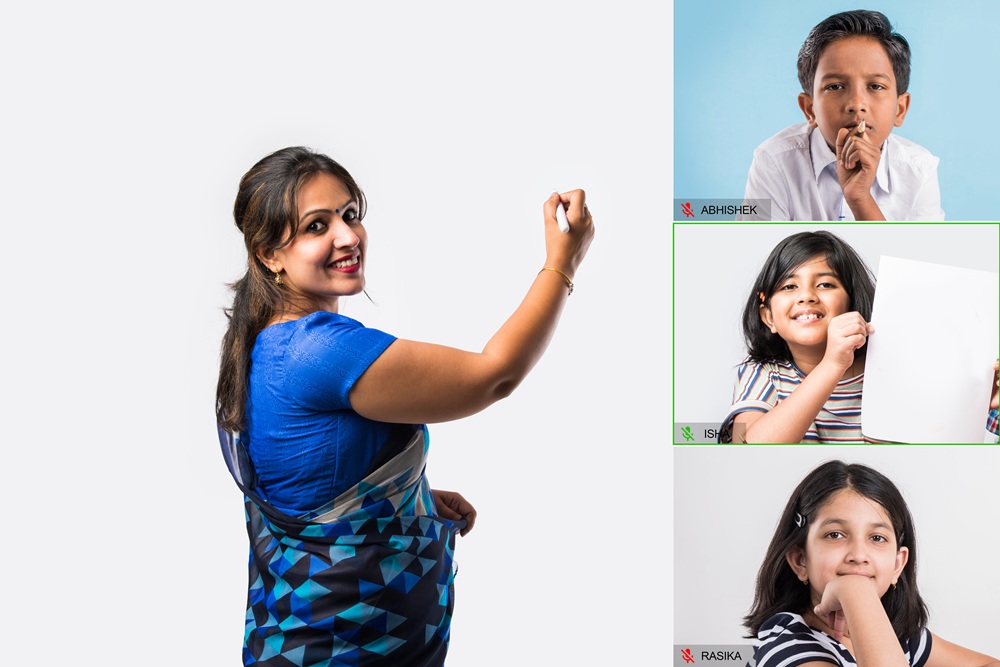
Even with these gaps, the shift in direction is clear. NDEAR moves Indian classrooms from isolated digital platforms to a more connected and modular environment. As states deepen their use of building blocks, teachers and students stand to benefit from tools that work more smoothly and reduce everyday administrative load. The architecture is still evolving, but it marks an important move toward a shared digital foundation for the country’s diverse school system.
References
- PIB- Technical Learning Facilities
- Year-End Review 2024 of the Ministry of Electronics & Information Technology
- The building blocks of monumental government service delivery-Deloitte
- Diksha- One nation, one uniform platform
- Akashwani News
- Arriving at the Right Platform for e-Learning-IT for Change
Raj Kashyap Das – Knowledge & Insights Coordinator, Sambodhi
