Across India’s villages, where nearly two-thirds of the population lives, the promise of digital transformation has arrived late and unevenly.


Across India’s villages, where nearly two-thirds of the population lives, the promise of digital transformation has arrived late and unevenly.
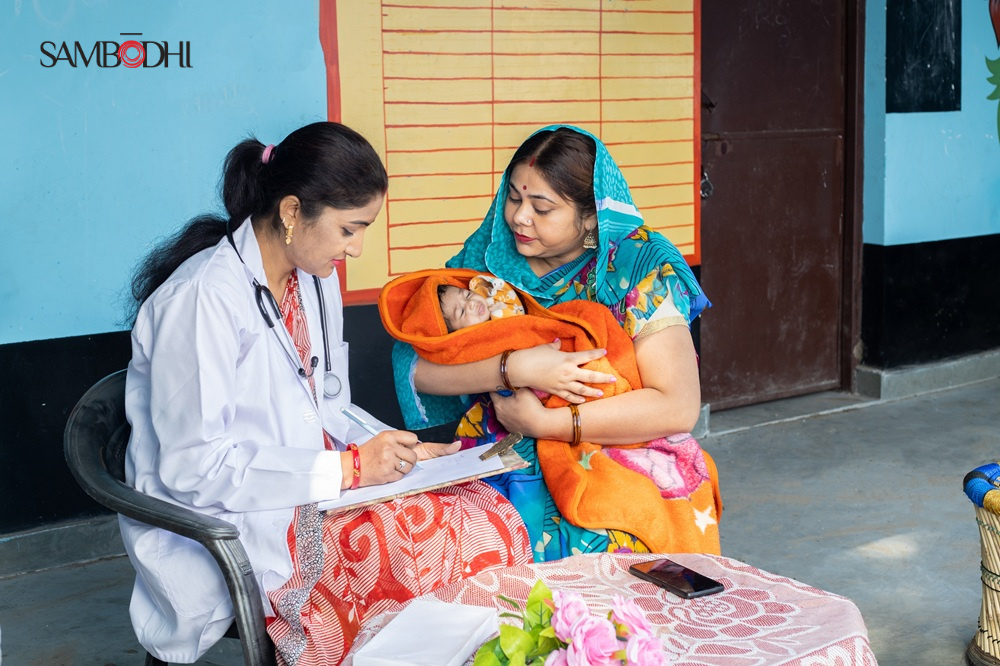
Across the quiet dusty lanes of rural India, a woman goes into labor, her family unsure whether to wait for the midwife or risk the journey to a distant primary health center.
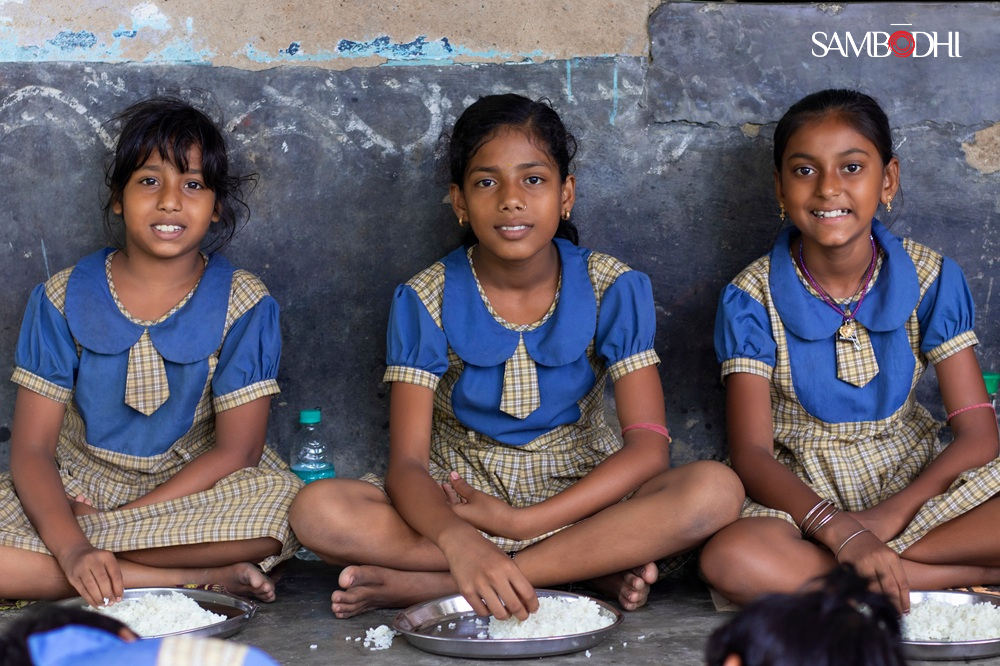
In a government school nestled along the dusty lanes of Palamu district in Jharkhand, nine-year-old Rajlakshmi holds her steel plate as she waits for the midday bell.
From May 27–30, a delegation from Sambodhi participated in the Evaluation Conclave & Summit for the Future of Evaluation in Colombo, Sri Lanka.
Sanitation is one of the most basic determining factors of public health, environmental resilience, and human dignity.
In today's day and age, where globalization has outpaced sustainable and climate-inclusive development, rural India stands at a critical crossroads.
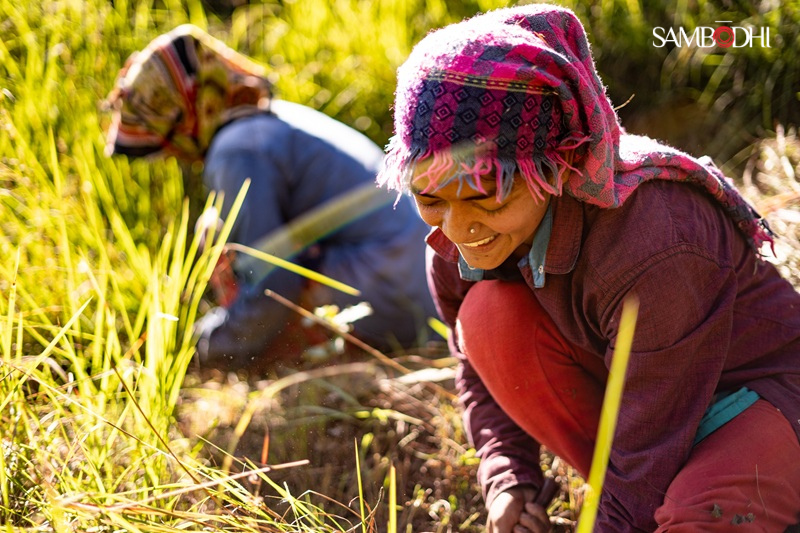
India has achieved a significant development milestone through its agricultural evolution, which brought food scarcity under control and led to self-sufficiency by the 1980s.
A few months ago, I watched the Oscar-nominated film Laapataa Ladies in theaters. Even after the credits rolled, Jaya's story lingered on and stayed with me.
Abhay Kumar’s story, although one of many, is a powerful illustration of the successes of the Prime Minister’s Employment Generation Program (PMEGP).
As long-term environmental and social outcomes are fast becoming central to development projects, traditional financial metrics have proved insufficient as measures of project impact.