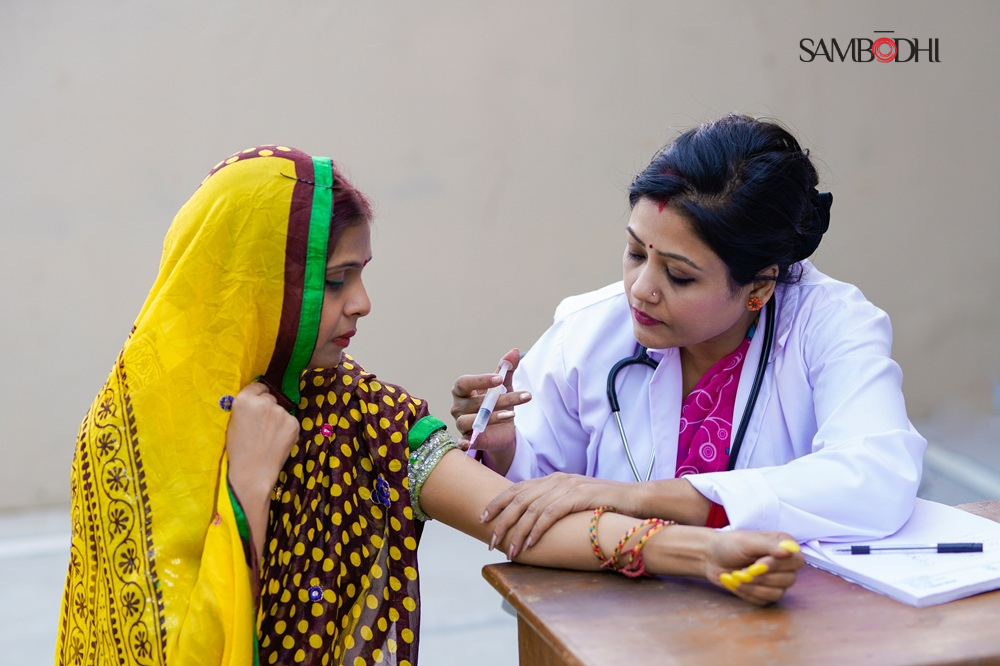
Cervical cancer remains a tragic reality for many Indian women. Every year, nearly 123,907 new cases are diagnosed, and approximately 77,348 women lose their lives, which is almost one-third of the global toll.



The Poshan Tracker, deployed by the Ministry of Women and Child Development (MoWCD) under Poshan Abhiyaan, digitizes beneficiary management and monitoring for Anganwadi Services.
Since its introduction under the National Health Mission in 2008, the Health Management Information System (HMIS) has established itself as an essential element of India's public health infrastructure.

In the past two decades, while the economy has expanded and diversified, labor regulations haven’t kept pace with the realities of a predominantly informal workforce.

In the social impact space, where margins for error are narrow and resources are often stretched, professionals learn not only by researching and implementing programs but also by interpreting.
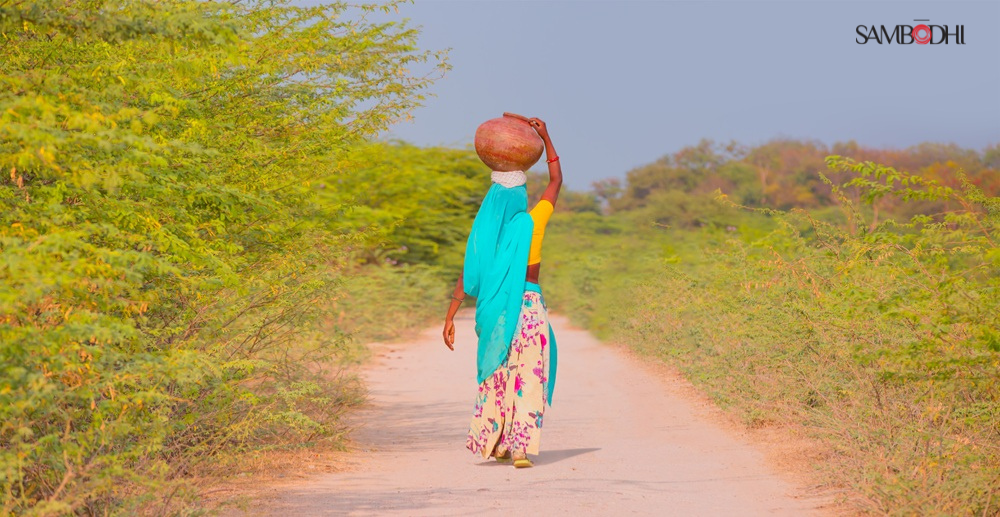
India, home to one-sixth of the global population, is quietly confronting an escalating crisis: groundwater depletion.

Picture this. It is 7 PM in Bansur village, Rajasthan. Instead of hurrying to finish all the household work to get to the farm and water the fields, Rina is calmly grinding her spices in the electric mixer.
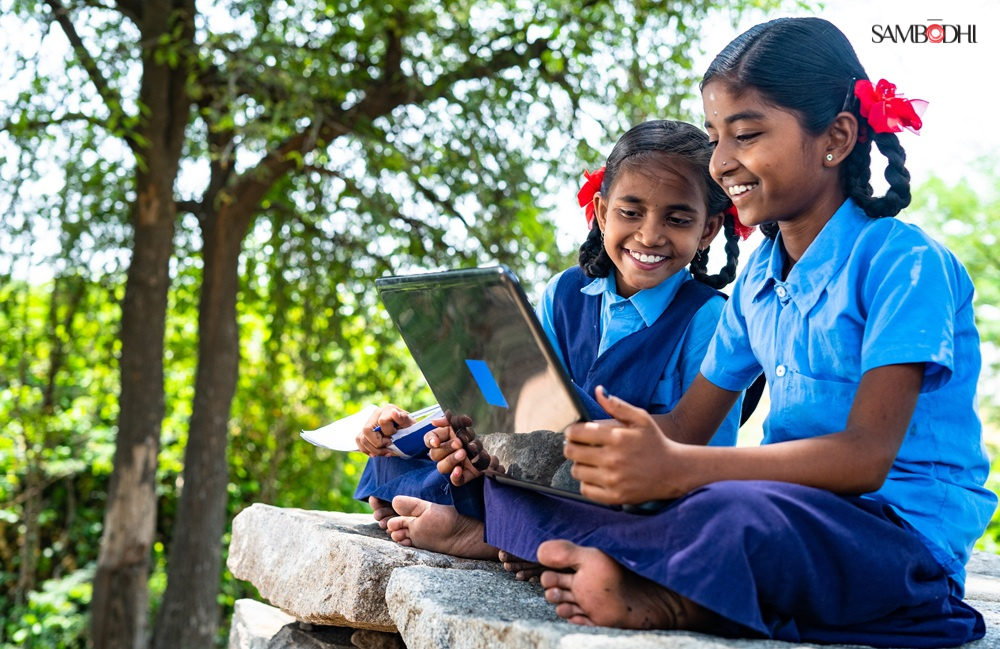
Across India’s villages, where nearly two-thirds of the population lives, the promise of digital transformation has arrived late and unevenly.
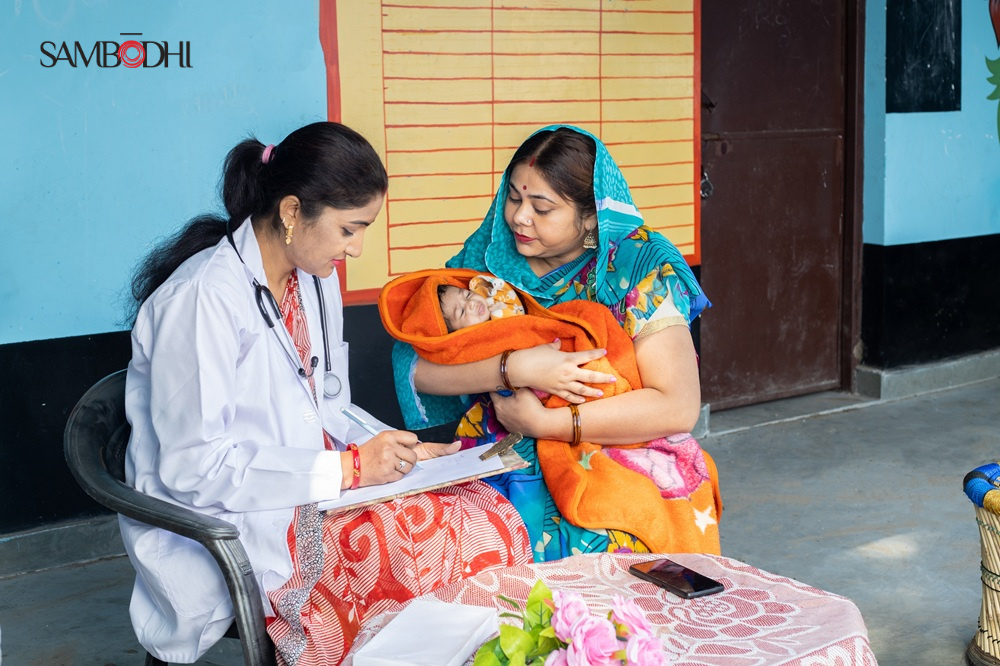
Across the quiet dusty lanes of rural India, a woman goes into labor, her family unsure whether to wait for the midwife or risk the journey to a distant primary health center.
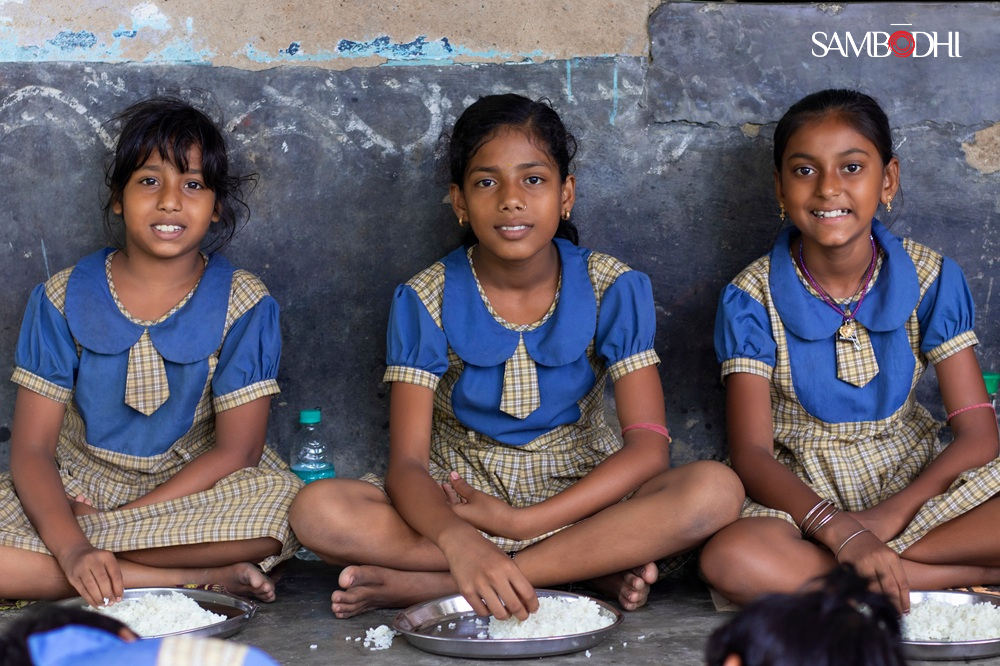
In a government school nestled along the dusty lanes of Palamu district in Jharkhand, nine-year-old Rajlakshmi holds her steel plate as she waits for the midday bell.
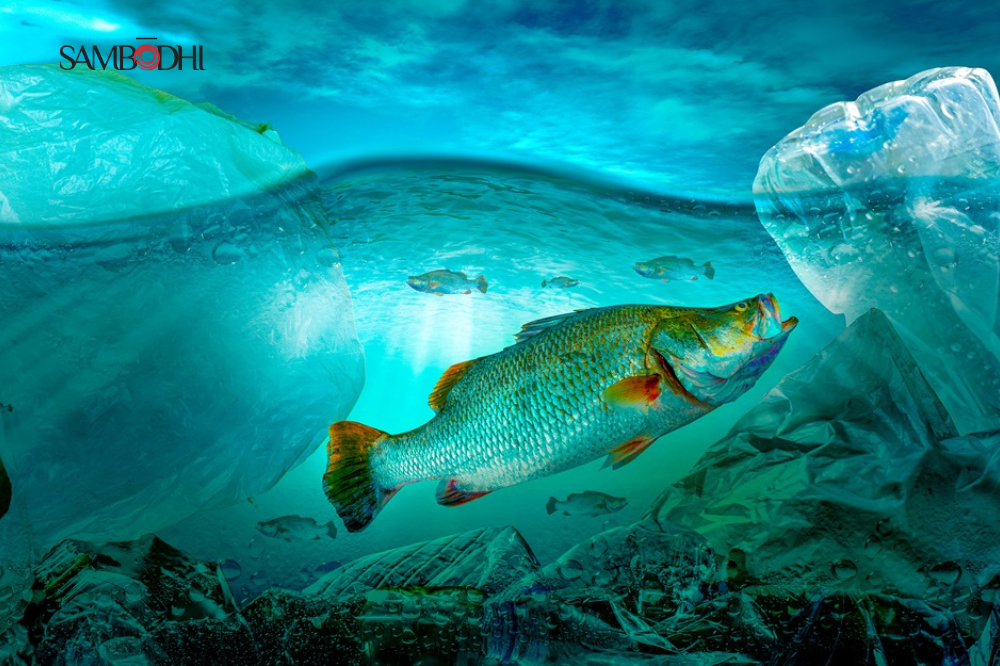
India’s marine biodiversity is staggering in scale and complexity. But it’s not invincible. From the coral islands of Lakshadweep to …

From May 27–30, a delegation from Sambodhi participated in the Evaluation Conclave & Summit for the Future of Evaluation in Colombo, Sri Lanka.