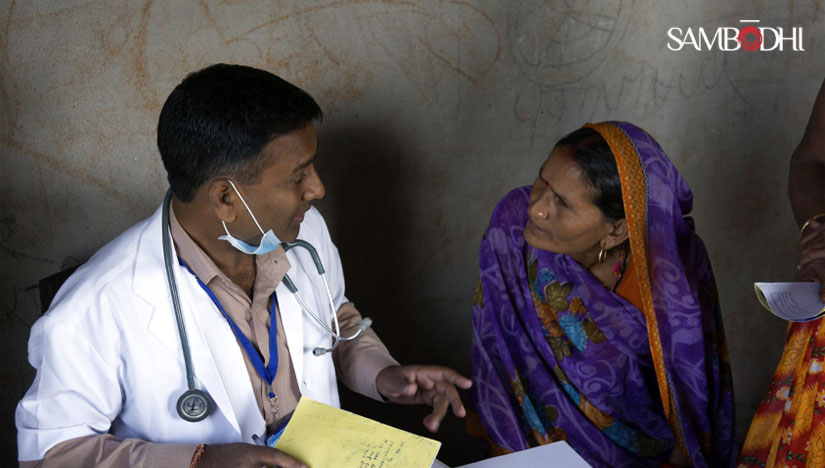
The idea that development is nothing but health is based on the premise that all the human development indicators, such as income, education etc., are prerequisites for promoting better health.


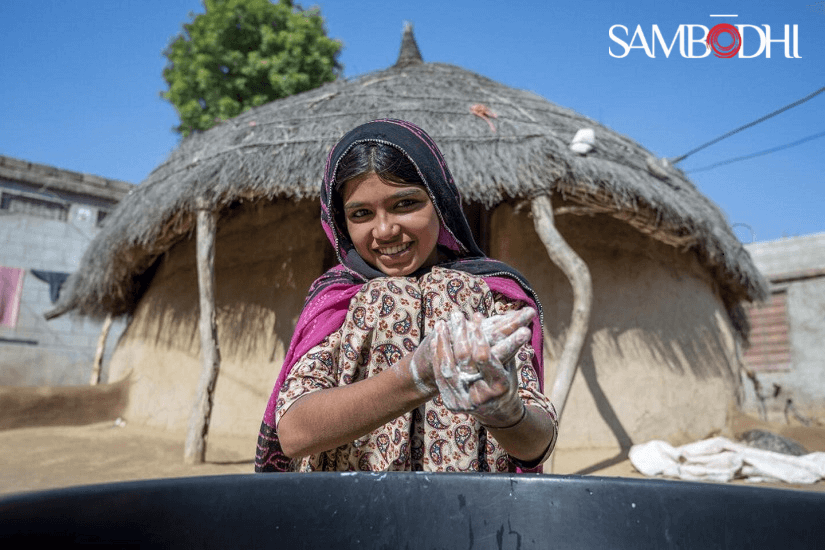
Did you know that inculcating handwashing habits is the most inexpensive intervention in improving public health?

Investment in evaluation is necessary to produce reliable data that can guide choices about programs and policies.

As humanity finds itself at the crossroads of economic progress and sustainable development, climate change has become one of the major burning issues.

Indian companies spent INR 25,000 crore for their CSR activities in 2020-21.
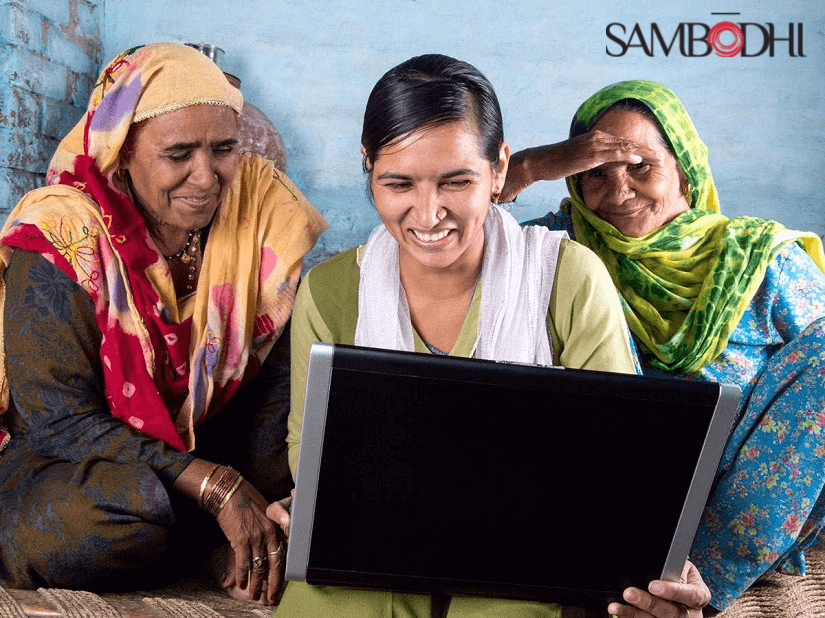
Amidst the COVID-19 pandemic, active internet users in urban India grew by 4% while in rural areas, it increased by 13%.

The soul of impact evaluation is to ascertain the treatment effect of a specific intervention.

Results-Based Management/Framework (RBM/F) is a planning, communication, and management tool that helps articulate a project’s goal, objective, result, and output.

Survival analysis is an optimal tool for examining time data to an event type.
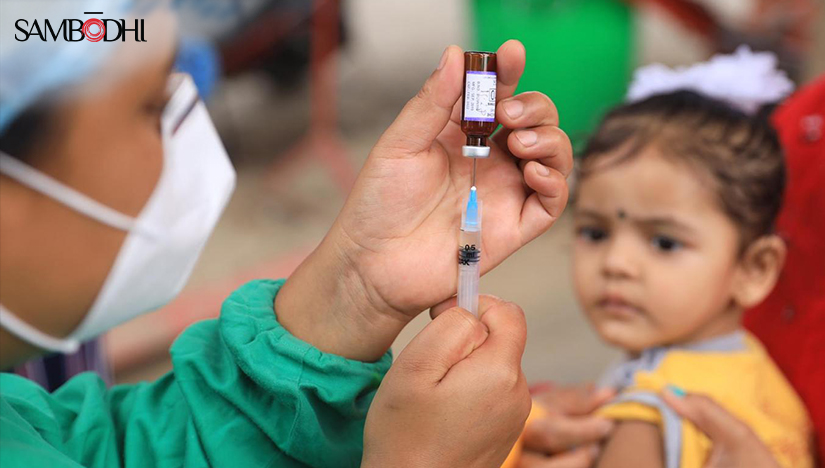
What do we know about Tuberculosis (TB) to date?

Non-response is a form of survey research error that occurs when some participants don’t respond to the survey, thereby changing the representativeness of your sample.
With a population of over 1.4 billion, India is on the road to becoming the most populous country in the world.